Turquie Santé
Last update : 19/11/2026

Septoplasty (deviated nasal septum) | Prices in Turkey

Access care from specialist doctors in Turkey, at prices generally lower than those in Europe.

Package price : 2700 $
Free Medical Opinion
Septoplasty Turkey
795+
patient reviews
across all procedures

Septoplasty straightens a deviated nasal septum from inside the nose, usually in 1 to 2 hours under general anesthesia, with no visible scar. It does not aim to change the outer shape of the nose, although a change in shape is a rare complication. It is for adults with persistent nasal obstruction, snoring or recurring congestion that medical treatment has not relieved. In Turkey the indicative price is $2,300 to $3,500; only the personalized quote is binding.

A mild deviation is very common and does not always need surgery, so an ENT surgeon should confirm by nasal endoscopy that the deviation explains your symptoms. If splints are placed, they are usually removed 3 to 7 days after surgery. Send your file to have a partner ENT surgeon review it and receive a detailed quote.

Risks and Side Effects

  • Bleeding, and more rarely a septal hematoma that must be drained quickly
  • Infection
  • Hole in the septum (septal perforation)
  • Persistence or recurrence of the obstruction, sometimes needing revision
  • Numbness of the nose, palate or front teeth, and a temporary reduction of the sense of smell
  • Scarring inside the nose
  • Rarely, a change in the shape of the nose

How much does Septoplasty cost in Turkey

Type of SeptoplastyTurkey Price Turkey
Septoplasty$2,300 – $3,500

Data verified by Turquie Santé in November 2026, based on quotes we prepared for our patients and official rates from our partner clinics in Turkey. Median costs are calculated from real quotes (2025–2026) and updated quarterly. Actual prices may vary depending on the technique and the patient's profile.

Why choose Septoplasty with Turquie Santé ?

Chirurgien icon

Accredited surgeons and hospitals (JCI, ISO)

Économie icon

Indicative prices, often lower than in Western Europe depending on the case

Organisation icon

Medical stay organized from A to Z

Prix icon

Detailed quote (included / not included) before your stay

Résultat icon

Free review of your file

All about your Septoplasty in Turkey
Overview
Alternative care
Benefits
Payment

Intervention or treatment's duration :

  • Between 1 and 2 hours

Recovery time :

  • Nasal packing, if used, is removed within 1 to 2 days; splints, if placed, within about 3 to 7 days at a follow-up visit
  • Light work from about 3 to 5 days; avoid strenuous physical activity for 4 to 6 weeks
  • Breathing improves gradually as swelling goes down; internal healing can take several months

Alternative treatments

Highly qualified professionals in accredited institutions.


We assist you before, during, and after your trip


A detailed quote is presented to you before your stay. Our support is free for the patient and any fees are specified in advance.

You will pay your clinic directly using these available methods:
Transfer

🌟 Package Septoplasty

  • VIP Airport shuttle
  • Turquie Santé Assistance 7 days/7
  • Anesthetist visit
  • 1 Night hospitalization
  • Laboratory analyzes
  • Your surgery
  • Interpreter service in clinic
  • Doctor visit
  • 5 Nights 4* hotel with breakfast
  • Transportation Hotel / Clinic
  • Medications in hospital
  • Medical control
  • 3 Meals per day in clinic

Package price :

2 700 $

Medical advice & quote Indicative, non-binding estimate: the final price is set only by a personalised quote after review of your medical file, and may be higher. Travel costs, flight tickets and any additional care or tests are not included.

Verified testimonials from our patients

Patsiuk V.
Verified review

I was pleasantly surprised by the professionalism of the entire team; I especially cannot help but mention the translator Rabia, who accompanied me at all stages of my stay at the clinic, the team of doctors and, of course, my surgeon Dr. Tayfun. Tha..Read more


11/10/2024
This patient was treated for Septoplasty
Emily White : Medical Content Team Manager at Turquie Santécheck

Written by

Emily White

This content complies with Turquie Santé's editorial policy. It was written by Emily White, Head of the Editorial Team, who coordinates content creation and updates. She has 11 years of experience in medical communications and supporting international patients in Turkey.

How it works ?

2
Services
We look for the best option for your case & budget
3
Hospital
Evaluating a care plan with the best quote
4
airplane
Making appointments & Organization of your trip
5
Health care
Ongoing support until you return home

Get a free medical opinion on Septoplasty with our recognized clinics

Certifications :

International Organization for Standardization (ISO) LOKMAN HEKIM ISTANBUL
JCI - Joint Commission International LOKMAN HEKIM ISTANBUL
LOKMAN HEKIM ISTANBUL
Istanbul, Turkey
Dr. Emre GÜNBEY

Dr. Emre GÜNBEY

13 years of experience
Prof. Dr. Celil GÖÇER

Prof. Dr. Celil GÖÇER

30 years of experience
Main Specialty : Otorhinolaryngology (ENT)Years of Experience : 30 years.Notable Trainings : Hacettepe University (Bachelor of Medicine),Ankara Training and Research Hospital (Ear Nose and Throat Diseases),Yıldırım Beyazıt University (Ear Nose and ... Read more
4.7 / 5
4.7(70 Reviews)

Certifications :

International Organization for Standardization (ISO) HISAR INTERCONTINENTAL
JCI - Joint Commission International HISAR INTERCONTINENTAL
HISAR INTERCONTINENTAL
Istanbul, Turkey
Professor Dr. Yavuz Selim Yildirim, MD

Professor Dr. Yavuz Selim Yildirim, MD

21 years of experience
Verified CV: Otolaryngology and Head & Neck Surgery. Training: Istanbul School of Medicine, Istanbul University (2005); residency at Haseki (2010). Qualifications: Associate Professor, Turkish Society of Otorhinolaryngology–Head and Neck Surgery competence ... Read more
PROF. TAYFUN APUHAN

PROF. TAYFUN APUHAN

28 years of experience
Main specialty: Otorhinolaryngology (ENT) and cervicofacial surgery Years of experience: 28 years since graduating in medicine (1998); ENT specialist since 2003 Notable training: Graduate of the Faculty of Medicine of İnönü (1998); specialization in ENT, ... Read more
4.4 / 5
4.4(222 Reviews)

Certifications :

JCI - Joint Commission International MEMORIAL Şişli
International Organization for Standardization (ISO) MEMORIAL Şişli
MEMORIAL Şişli
Istanbul, Turkey
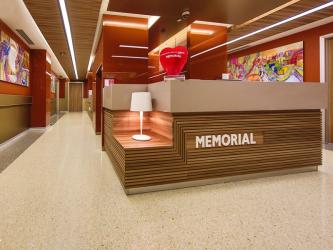
Grand Hospital founded in 1999 200 Beds 53,000 square meters  

Doctor's portfolio

Septoplasty Before / After photoSeptoplasty Before / After photo
4.5 / 5
4.5(34 Reviews)

Certifications :

JCI - Joint Commission International LIV Vadistanbul
International Organization for Standardization (ISO) LIV Vadistanbul
LIV Vadistanbul
Istanbul, Turkey
Op. Dr. Irmak Uçak

Op. Dr. Irmak Uçak

10 years of experience
Main specialty : Otorhinolaryngology (ENT)Years of experience : 10 years.Notable training : Hacettepe University Faculty of Medicine in English, Şişli Hamidiye Etfal Training and Research Hospital OtorhinolaryngologyMastered techniques : Rhinoplasty, ... Read more
Prof. Dr. Arzu Yasemin Korkut

Prof. Dr. Arzu Yasemin Korkut

27 years of experience
Main Specialty : Otorhinolaryngology Years of Experience : 27 years. Notable Trainings : Istanbul University Cerrahpaşa Faculty of Medicine (1988-1995),Vakıf Gureba Training and Research Hospital, Otorhinolaryngology specialized education (1995-1999) ... Read more
4.4 / 5
4.4(11 Reviews)

Certifications :

International Organization for Standardization (ISO) LIV Ulus
JCI - Joint Commission International LIV Ulus
LIV Ulus
Istanbul, Turkey
Dr. Mustafa Taştan

Dr. Mustafa Taştan

13 years of experience
Main specialty : Otorhinolaryngology (ENT) Years of experience : 13 years. Notable training : Kocaeli University Faculty of Medicine (2013),Ondokuz Mayıs University Faculty of Medicine, Ear Nose and Throat Diseases (2021) Notable achievements : Publications ... Read more
Prof. Dr. Abdulkadir Özgür

Prof. Dr. Abdulkadir Özgür

19 years of experience
Main Specialty : Otorhinolaryngology (ENT) Years of Experience : 19 years. Notable Training : Medical degree from Ondokuz Mayıs University – 2003, Residency at İzmir Atatürk Training and Research Hospital, ENT Department – 2009, Master's in Audiology ... Read more
4.7 / 5
4.7(1 Reviews)
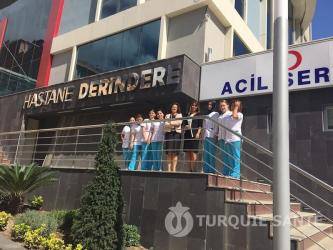
DERINDERE
Istanbul, Turkey
Multispeciality Hospital 150 Beds Opened in 2015
4.0 / 5
4.0(2 Reviews)

Certifications :

JCI - Joint Commission International HIZMET By Memorial
International Organization for Standardization (ISO) HIZMET By Memorial
HIZMET By Memorial
Istanbul, Turkey
Multi-specialty hospital of good reputation 7 operating rooms Capacity of 77 beds
4.0 / 5
4.0(2 Reviews)

You have consulted 7 / 31 Hospitals

🩺 Medical note — The content of this page is provided for information purposes and in accordance with our medical charter. It does not constitute medical advice and does not replace a consultation with a healthcare professional. Prices are indicative and will be specified in a personalized quote after reviewing your file. Any treatment must be assessed and approved by a qualified doctor.

Deviated Nasal Septum: Causes and Symptoms

A deviated nasal septum can cause functional problems and sometimes cosmetic concerns.

The main causes are:

  • Congenital: the deformity is present from birth.
  • Traumatic: following an accident, a fall, or a facial impact.

Warning signs include:

  • Difficulty breathing: a sensation of congestion, often on just one side of the nose.
  • Snoring: nasal obstruction can disrupt sleep.
  • Facial pain or headaches: related to pressure or sinus infection.
  • Frequent nosebleeds or nasal dryness.
  • Recurrent sinusitis.
  • Noisy breathing.

A mild deviation is very common and does not always need treatment. You can send your file: a partner ENT surgeon will assess your situation.

What is a septoplasty?

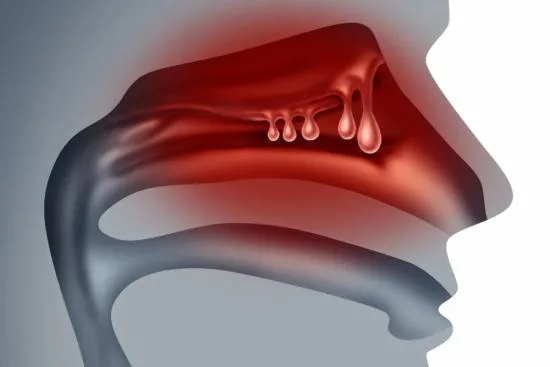
Septoplasty is a surgical procedure that corrects a deviated nasal septum, the internal wall that separates the two nostrils. When it is deviated, it can block airflow.

The goal of septoplasty is to straighten the septum to:

  • Open the airways and improve nasal breathing.
  • Reduce associated problems such as snoring and chronic nasal congestion.

Unlike rhinoplasty, which alters the appearance of the nose, septoplasty focuses on its internal and functional structure.

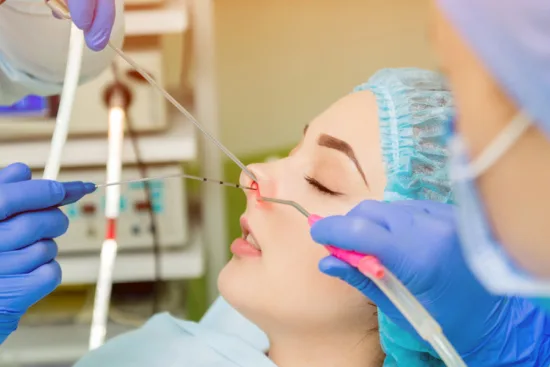
The procedure is generally performed through the inside of the nose, leaving no visible scar, sometimes with the help of an endoscope.

If you think your breathing difficulty may be due to a deviated septum, you can send your file: a partner ENT surgeon will review it.

Symptoms and medical indications for surgery

A deviated nasal septum may seem harmless, but its consequences on daily life are often underestimated. When air does not flow properly, the body compensates by breathing more through the mouth, which can lead to a range of discomforts.

Here are the situations that most often lead to considering a septoplasty:

  1. Persistent nasal obstruction: it may affect a single nostril or alternate from one side to the other.
  2. Recurrent sinusitis: insufficient airflow can disrupt sinus drainage.
  3. Snoring and sleep disturbance.
  4. Facial pain or pressure.
  5. Difficulty during physical exertion.
  6. Associated cosmetic issues: a severe deviation may come with an external deformity, leading to consider a septorhinoplasty, which combines function and aesthetics.

A complete ENT evaluation confirms whether the deviation is truly responsible for the symptoms and whether septoplasty is the most appropriate solution.

Septoplasty or septorhinoplasty: which one?

The two operations are often confused, but they do not have the same goal:

  • Septoplasty corrects the internal wall between the nostrils to improve breathing. The outside shape of the nose is not meant to change.
  • Septorhinoplasty combines that correction with reshaping of the nose (rhinoplasty). It is considered when the deviation comes with an external deformity, when you also want a change of appearance, or when septal cartilage is needed for the reshaping.

The choice depends on your main complaint (breathing only, or breathing and appearance),on the ENT examination and on the surgeon's assessment. The combined operation is more extensive, so recovery and swelling are usually longer and the cost differs; ask for a written quote for the option that fits your case. See our page on septorhinoplasty for details.

Expected results and limits

Septoplasty aims to improve nasal breathing. Early effects appear in the weeks following the procedure, and internal healing takes a few months.

Possible benefits:

  • Easier nasal breathing
  • Better sleep and easier physical exertion in some patients
  • Less snoring in some patients

Septoplasty alone does not treat sleep apnea or allergic rhinitis, and the result cannot be guaranteed. If the deviation comes with an external deformity, a septorhinoplasty may be considered.

You can send your file: a partner ENT surgeon will review it and you will receive a detailed quote.

Septoplasty process in Turkey

Here is how septoplasty typically takes place in the partner clinics of Turquie Santé:

StepDescription
Diagnosis and planning
  • Nasal endoscopy, and a CT scan if needed, assess the deviation and other possible causes of obstruction.
Surgery from inside the nose
  • Most septoplasties use a closed technique: incisions are made inside the nostrils, with no external scars.
  • The surgeon lifts the mucosa to access and straighten the septum.
Correction and stabilization
  • The surgeon reshapes or removes the deviated parts of cartilage and bone.
  • Splints may be placed inside the nose during healing.
Anesthesia and duration
  • Septoplasty is generally performed under general anesthesia and lasts 1 to 2 hours.

In rare cases, an open approach may be necessary, with a small incision at the base of the nose.

Most patients notice improved nasal breathing. The effect on headaches or facial pressure is less predictable.

Postoperative course and recovery time

After septoplasty, it is normal to feel temporary nasal discomfort: a blocked nose, slight facial pressure and some discharge. Splints, if placed, are typically removed 3 to 7 days after surgery.

Breathing improves gradually as swelling decreases.

To promote recovery:

  • Perform regular nasal rinses.
  • Avoid blowing your nose forcefully.
  • Sleep with the head slightly elevated.
  • Limit intense physical exertion for 4 to 6 weeks.
Return to activities is gradual: light work from 3 to 5 days, light to moderate exercise once your surgeon agrees (often after 10 to 15 days),and more strenuous effort after about 4 to 6 weeks. Internal healing can take several months.

Risks and precautions

As with any surgical procedure, septoplasty carries some risks. The main possible risks include:

  • Bleeding in the days following the operation, and more rarely a septal hematoma that must be drained quickly.
  • Post-operative infection.
  • Septal perforation, which can cause crusting, bleeding or whistling.
  • Persistence or recurrence of the obstruction, which may require a revision procedure.
  • Numbness of the nose, palate or front teeth, most often temporary, and a temporary reduction of the sense of smell.

To reduce these risks, follow the post-operative instructions, perform the prescribed nasal rinses and attend the follow-up appointments with the surgeon. Seek prompt advice in case of heavy bleeding, fever or increasing pain.

Choosing an ENT surgeon and follow-up after you return home

Septoplasty is performed by ENT (otorhinolaryngology) surgeons. Before you decide, check:

  • That the surgeon is an ENT specialist with regular experience in septal and nasal surgery; ask about this directly.
  • That your deviation is confirmed by nasal endoscopy, with a CT scan if needed, before surgery is planned.
  • That the hospital is licensed and has an anesthesia team and monitored recovery room.
  • That you receive a written quote stating what is included, and a clear explanation of the risks and of the chance of revision.

Plan your stay so that you can attend the follow-up visit for splint or packing removal, as scheduled by your surgeon. After you return home, keep the surgeon's instructions and operative report, report any heavy bleeding, fever or increasing pain to the clinic and to a local doctor, and arrange a check-up with a local ENT if needed. Turquie Santé helps you stay in contact with the partner clinic after your return.

Septoplasty FAQ

How long does it take to fully recover after a septoplasty?

Most patients notice easier breathing within the first weeks, as swelling goes down. Internal healing, however, can take several months (often 3 to 6 months or more),and the final result is judged after that. Strenuous exercise is generally avoided for 4 to 6 weeks; your surgeon confirms when you can resume each activity.

When can a septoplasty fail?

A septoplasty may be less effective if the nasal deviation is very complex, if the patient does not follow postoperative instructions, or in cases of abnormal healing. In some situations, a revision surgery may be necessary to correct persistent issues.

Is septoplasty a painful procedure?

Septoplasty is performed under anesthesia, so you will not feel pain during the procedure. Mild discomfort or congestion may occur during recovery, but this is usually well controlled with medications prescribed by the surgeon.

How can one breathe after a septoplasty?

Mouth breathing during the first 24 hours is often the only breathing option after nasal septum surgery, as nasal packing or splints are in place. Nasal packing is typically removed within one to two days after surgery, or in some cases may dissolve naturally over 24-72 hours. Nasal splints are generally removed within five to seven days at a follow-up visit, when patients begin to regain more nasal comfort.

Can a deviated septum cause mouth breathing?

Yes, a significant nasal deviation can obstruct the airways and make nasal breathing difficult, often leading to mouth breathing. Septoplasty corrects this obstruction and improves nasal breathing.

Is septoplasty necessary if I have no symptoms?

No, surgery is generally recommended only if the deviation causes breathing difficulties or complications. A consultation helps determine whether the procedure is necessary.

Are nasal strips really effective?

Nasal strips may temporarily improve breathing by slightly opening the nasal passages, but they do not correct a deviated septum. Only surgical septoplasty can permanently straighten the nasal septum and resolve related breathing problems.

Other procedures in this specialty

Share this page

Septoplasty in Turkey package: 2 700$