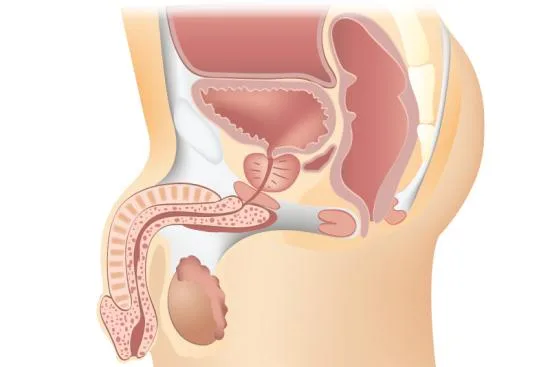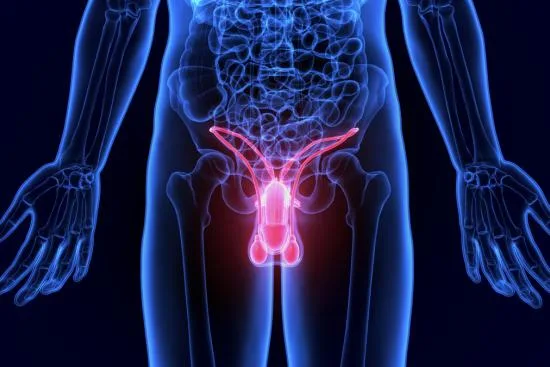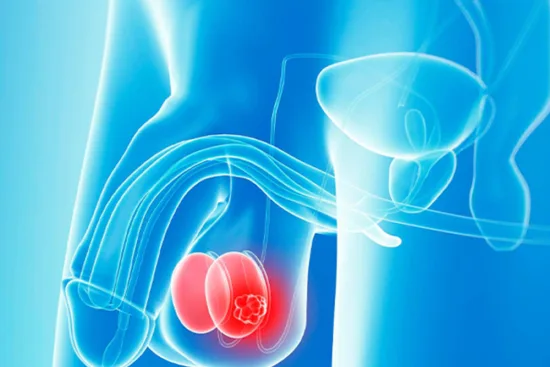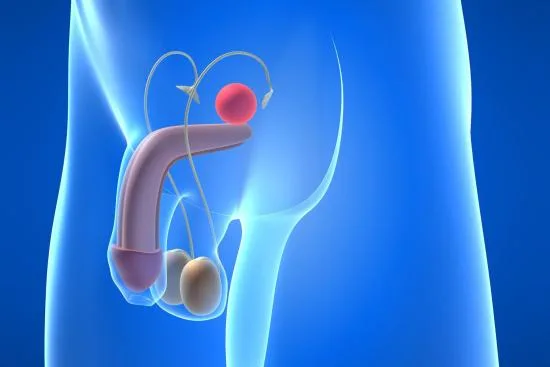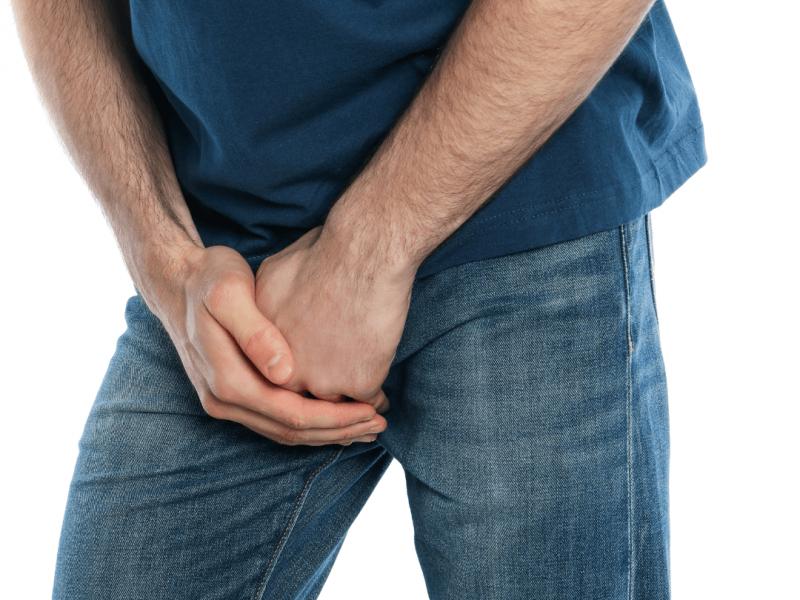


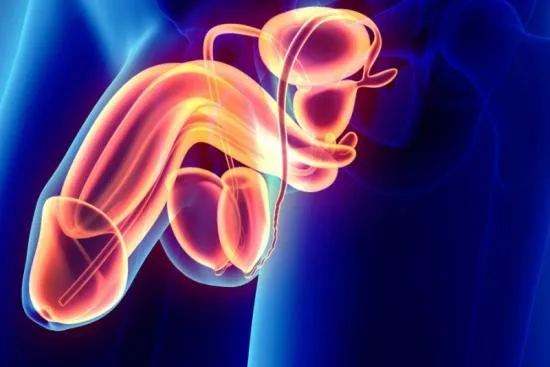
Scrotoplasty (scrotal lift) is a surgical procedure that removes excess scrotal skin and elevates the testicles to improve the appearance and comfort of an enlarged or loose scrotum. Results vary between patients and cannot be guaranteed, and skin laxity can return over time.
Indicative price in Turkey: typically $2,700 to $3,800 depending on the extent of the procedure, the surgeon and the clinic. The final price is set by a personalized quote.
Risks: hematoma (the most common complication),infection, poor healing, asymmetry or an unsatisfactory result, and, rarely, injury to the cord, epididymis or testicle. Reliable data specific to aesthetic scrotoplasty are very limited.
An enlarged or loose scrotum can also be a sign of a hydrocele, a hernia or lymphedema, which need different treatments, so a medical diagnosis (usually with ultrasound) comes first. The procedure takes about 30 to 45 minutes, usually under local anesthesia, and return to light daily activities takes about two weeks.
Cost of scrotoplasty in Turkey
The price of scrotoplasty in Turkey depends on the extent of the procedure, the surgeon's experience and the clinic.
Typical costs range from $2,700 to $3,800. These figures are indicative: the final price is set by a personalized quote after review of your case.
You can request a personalized quote from Turquie Santé, which states what is included before you decide.
Risks and Side Effects
Reliable data specific to aesthetic scrotoplasty are very limited: a systematic review of 11 articles, mostly case reports, found the topic poorly addressed (Thomas et al., Aesthetic Plastic Surgery, 2020). The figures below come from other scrotal operations, mostly hydrocele surgery, and are indicative only. In a series of 110 scrotal procedures the overall complication rate was 20%, but you should not take this as the risk of your own operation: complications specific to aesthetic scrotoplasty have not been reliably measured and may be higher.
- Usually temporary: pain, swelling and bruising.
- Hematoma: the most common complication (about 5% in that series); usually managed with cold compresses and support, sometimes by reoperation.
- Infection (about 3.5%),wound opening or delayed healing; smoking and diabetes increase this risk.
- Seroma or prolonged swelling; temporary changes in skin sensation.
- Asymmetry or an unsatisfactory result, which may need another procedure, and recurrence of skin laxity over time.
- Rare but serious: injury to the spermatic cord, epididymis or testicle (about 1.3% in one series of hydrocele surgery),which can cause chronic pain, testicular atrophy or, if both sides are affected, infertility.
- Anesthesia: local anesthesia avoids the risks specific to general anesthesia (nausea, breathing or heart problems, rare allergic reaction) but has its own, such as allergy or discomfort.
Contraindications or reasons to postpone: unmanaged bleeding disorder or anticoagulant treatment, active skin or genital infection, poorly controlled diabetes, untreated skin conditions of the scrotum or groin, undiagnosed scrotal swelling or pain (hydrocele, hernia, lymphedema, mass),and unrealistic expectations. Your surgeon decides after a full evaluation.