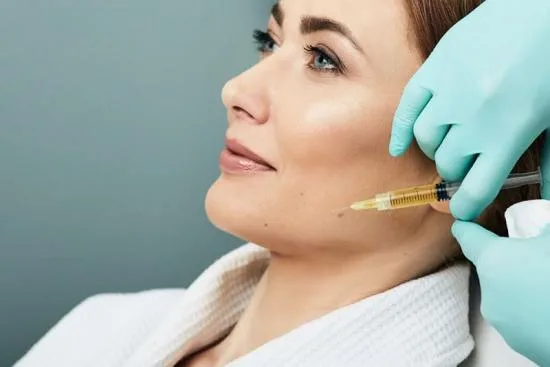
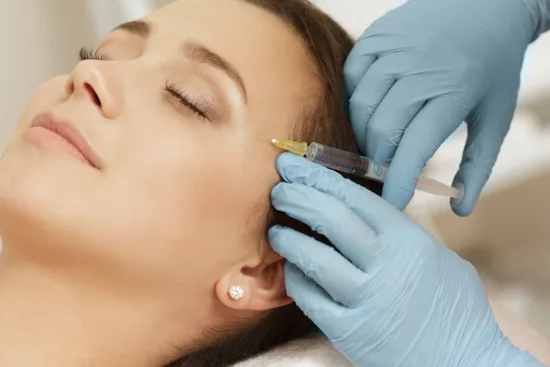
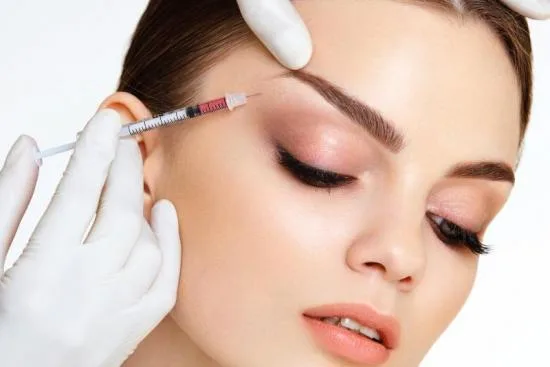
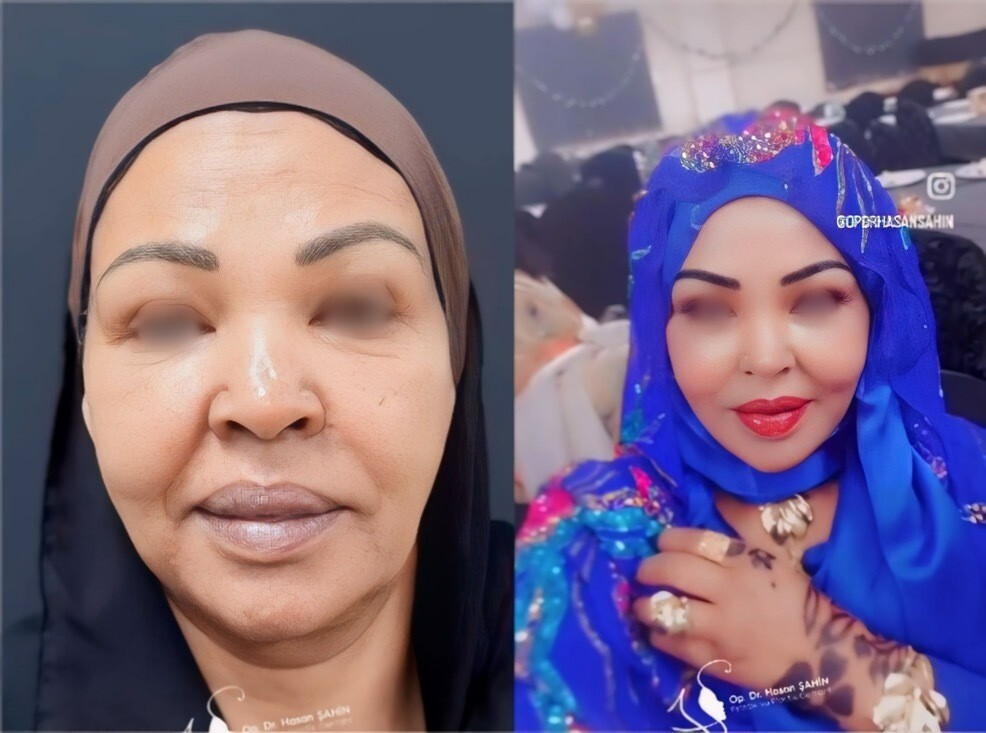
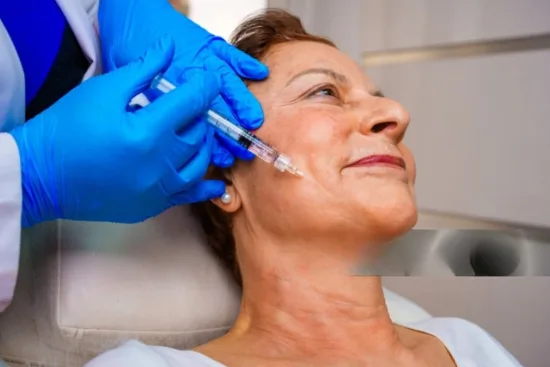
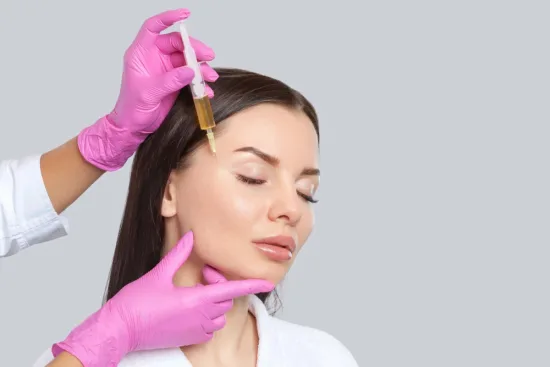
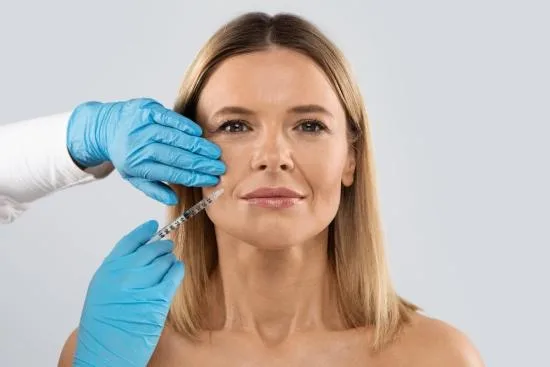
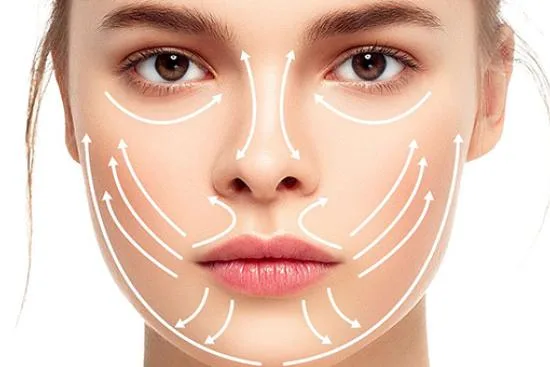
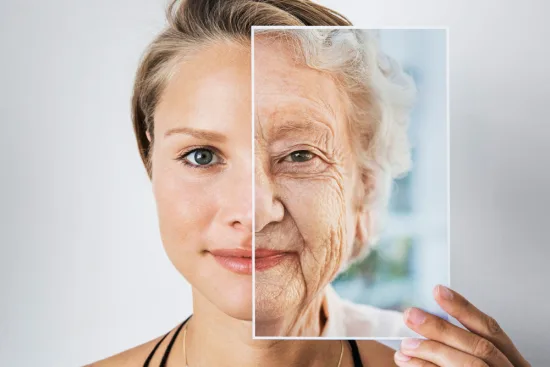
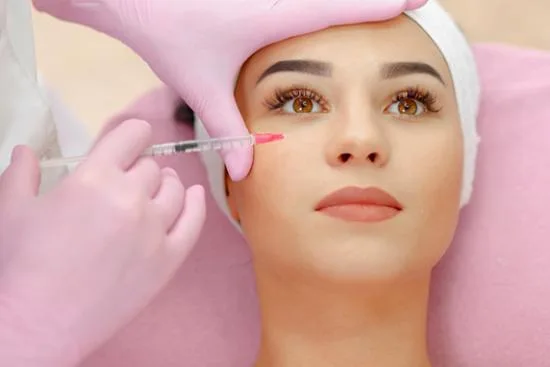
You notice the first signs of aging in your face: fine lines around your eyes, loss of firmness, and a dull complexion that seems resistant to skincare alone. Aesthetic treatments can address these concerns without surgery, and PRP injection stands out for harnessing your body's own regenerative capacity. Platelet-rich plasma therapy extracts growth factors from your blood, then reintroduces them into facial tissue to stimulate collagen production, restore elasticity, and improve skin texture. Clinical studies confirm that PRP injections reduce wrinkles, enhance skin density, and create a more youthful appearance, with results visible after one to three sessions. Performed by plastic surgeons and dermatologists worldwide, PRP remains one of Turkey's most sought-after non-surgical rejuvenation procedures because it combines safety, minimal downtime, and natural results. At Turquie Santé, we connect you with certified specialists offering PRP facial treatments at 232 dollars per package, ensuring transparent pricing and a personalized approach to your skin goals.
PRP Facial Cost in Turkey
The cost of a PRP facial treatment in Turkey varies depending on the clinic, and the treatment protocol used. However, Turkey remains one of the most affordable destinations for high-quality aesthetic treatments.
PRP facial treatment packages start from $230 per session.
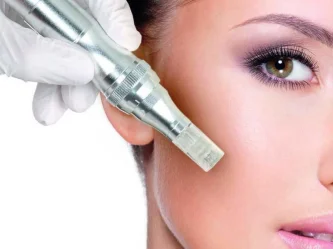
The package typically includes the medical consultation, blood collection and processing, PRP preparation, and the treatment session itself. Additional procedures, such as microneedling or combined skin rejuvenation treatments, may affect the final price.
For an accurate quote tailored to your needs, contact our team to receive a personalized treatment plan and cost estimate based on your skin condition and aesthetic goals.
Risks and Side Effects
- Temporary swelling and redness at injection sites, usually resolving within 24 to 48 hours
- Mild bruising, particularly around the under-eye area, lasting up to 5 to 7 days in some patients
- Rare risk of superficial skin irritation if post-care instructions are not followed
- Because PRP is derived from the patient's own blood, allergic reactions are uncommon, though not entirely impossible in cases of processing contamination