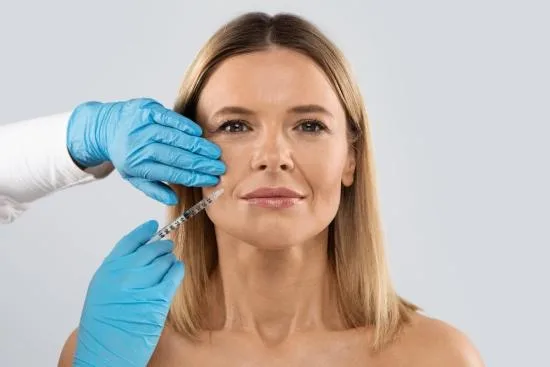
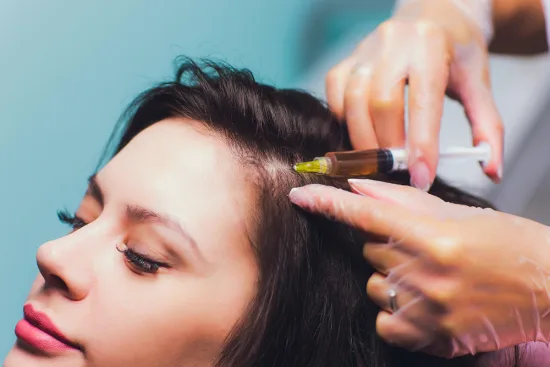
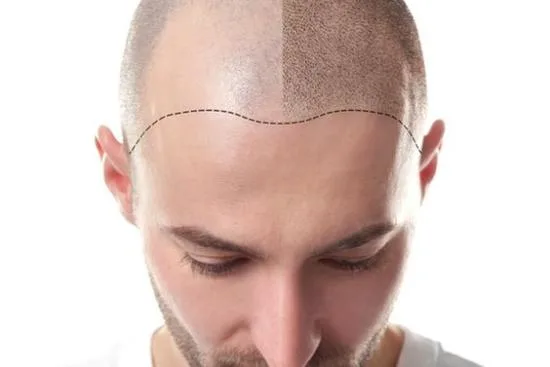
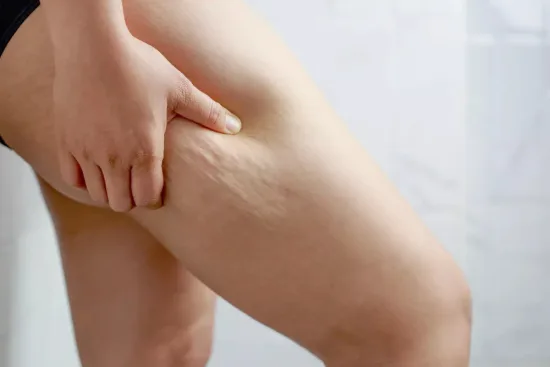
Mesotherapy is a minimally invasive technique in which micro-injections of vitamins, amino acids, minerals, hyaluronic acid or medications are delivered into the skin or scalp. It is used for medical needs such as pain or hair loss and for aesthetic concerns such as wrinkles and skin texture. It was developed in France in 1952.
The formula depends on your condition and skin type and is chosen by a dermatologist or aesthetic physician. Mesotherapy is not a quick fix: it usually requires several sessions spaced weeks apart, and the evidence is limited for some indications such as cellulite, so results are not guaranteed and may be modest or temporary.
Downtime is minimal: most people resume activities immediately, though minor swelling or bruising can last a day or two. Prices depend on the area treated, the products and the number of sessions; request an itemized quote from Turquie Santé before you decide.
Price of a mesotherapy session in Turkey
The price of a mesotherapy session in Turkey depends on the area treated (hair, face or body),the products injected, the number of sessions required and the clinic. As a rough guide, a facial or hair mesotherapy session in Turkish clinics commonly costs about $100 to $300, and courses of several sessions cost more in total. Medical (pain) mesotherapy is priced differently from aesthetic mesotherapy.
Ask for an itemized quote that states what is included (consultation, products, follow-up) and how many sessions are planned. Prices shown elsewhere on this page, such as a package price, are indicative and may cover a single session only.
To find out more about the cost of mesotherapy in Turkey, request a free quote in US dollars through Turquie Santé.
Risks and Side Effects
- Pain or tenderness, swelling, redness and bruising at the injection sites, usually temporary.
- Itching or rash, and increased urination in some patients.
- Infection, rare but possible with any injection.
- Allergic reaction to an injected substance, rare but potentially serious.
- Results can be modest or temporary, and evidence is limited for some indications.
Contraindications and precautions: pregnancy and breastfeeding, active skin infection or sepsis, leukemia or other cancers, immune deficiency, diabetes and bleeding disorders or blood-thinning medication need a doctor's assessment before any treatment. Tell your doctor about all allergies and medications, and do not stop any prescribed treatment on your own.