


Lyme disease can be successfully treated when diagnosed early, and Turkey offers comprehensive diagnosis and evidence-based treatment by infectious disease specialists. Prompt medical care helps prevent serious complications affecting the joints, nervous system, and heart while improving recovery outcomes.
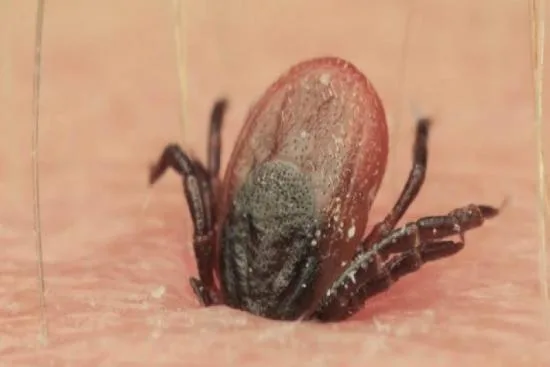
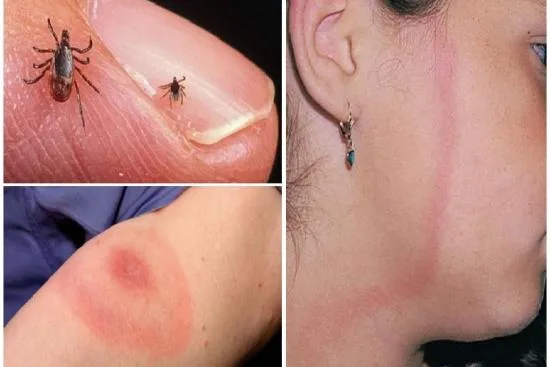
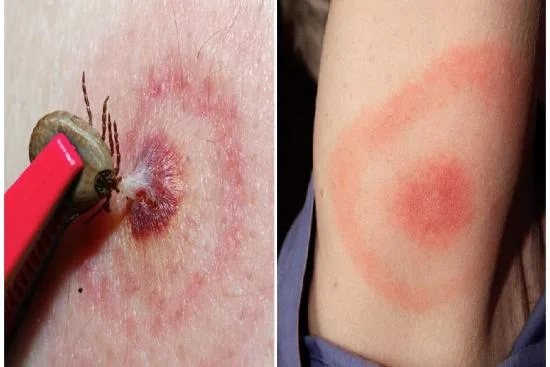
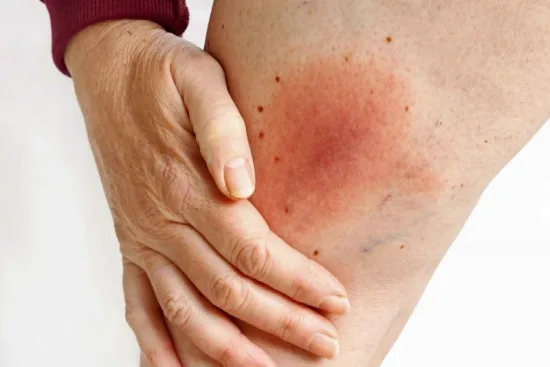
Lyme disease is caused by the bacterium Borrelia burgdorferi, which is transmitted through the bite of an infected tick. Because tick bites often go unnoticed and the characteristic bull's-eye rash (erythema migrans) does not appear in every patient, diagnosis relies on clinical evaluation supported by laboratory testing.
Early treatment with antibiotics, such as doxycycline or ceftriaxone, follows international medical guidelines and is selected according to the stage of infection and individual patient factors. Most early-stage infections respond within two to four weeks, while more advanced cases may require longer treatment and follow-up.
In addition to treatment, patients receive guidance on tick prevention, proper tick removal, and monitoring for recurrent symptoms. In Turkey, the cost of a complete diagnostic workup and initial treatment typically ranges from €800 to €2,200, making specialized care more accessible for many international patients. Although some people experience lingering fatigue or joint discomfort after treatment, regular follow-up helps support long-term recovery and reduce the risk of complications.