Facing a kidney cancer diagnosis requires two immediate answers: which surgical technique protects your kidney function, and what is the exact out-of-pocket cost. This guide outlines stage-specific protocols, from partial nephrectomy to targeted therapies, matched with transparent Turkish clinical pricing, so you can evaluate your options before making any travel commitment. In Turkey, surgical kidney cancer treatment costs may typically range from €4,000 to €15,000, though prices vary based on the specific procedure and clinic.
Last update : 10/10/2026
Kidney cancer treatment in Turkey: Surgery options & survival rates (2026)
Access internationally certified healthcare with substantial savings compared with European prices.
Get a free quote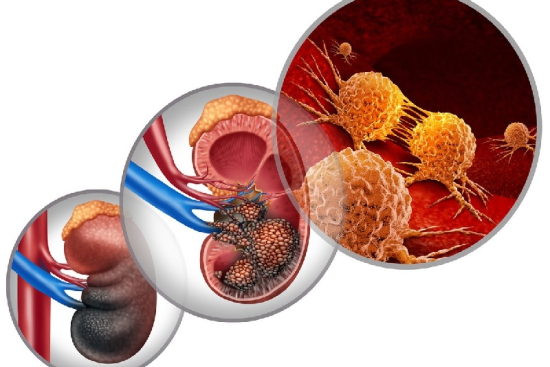
85%
Recommendations
Recommendations

600K+
Requests received since 2018

16
Clinics


1K+
Recognized doctors
Why choose Kidney cancer treatment with Turquie Santé ?

Expert surgeons and internationally certified hospitals

Substantial savings compared with European prices

Medical stay organized from A to Z

Transparent pricing, itemised before your stay

Free assistance
All about your Kidney cancer treatment in Turkey
Highly qualified professionals in accredited institutions.
We assist you before, during, and after your trip
A detailed quote is presented to you before your stay. Our support is free for the patient and any fees are specified in advance.
You will pay your clinic directly using these available methods:


Written by
This content complies with the editorial policy of Turquie Santé. It was written by Emily White, Head of the Editorial Team, who has over 11 years of experience in scientific research and clinic management in Turkey. She ensures the reliability of medical information while making complex data accessible to everyone.
How it works ?

2

We look for the best option for your case & budget
3

Evaluating a care plan with the best quote
4

Making appointments & Organization of your trip
5

Ongoing support until you return home
Get a free medical opinion on Kidney cancer treatment with our 16 Recognized Clinics



Certifications :

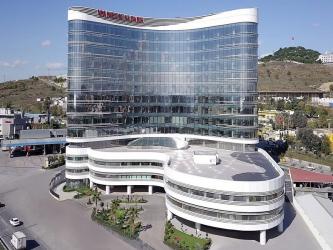
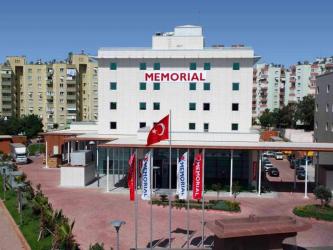
MEMORIAL Şişli 
Istanbul, Turkey
Mehmet Akif Öztürk
Graduated in medicine from Marmara University (2003),specializing in internal medicine (2009) and medical oncology at Cerrahpaşa University (2012).
Mandatory service at Hatay Antakya State Hospital (2012-2014),became assistant professor in 2015 and ... Read more
Prof. Betül Tavil
Main specialty : Pediatric Hematology and OncologyYears of experience : More than 20 years.Key training : Hacettepe University Faculty of Medicine, Dr. Sami Ulus Children’s Hospital, Hacettepe University – Pediatric Hematology.Languages spoken : English, ... Read more
(34 Reviews)



Certifications :
LIV Vadistanbul 
Istanbul, Turkey
Assoc. Prof. Dr. Murat Ayhan
Main Specialty : Oncology Years of Experience : 19 years. Notable Training : Dicle University, Faculty of Medicine 2007; Associate Professor of Medical Oncology 2023 Mastered Techniques : Immunotherapy; Hormonal Therapy; Chemotherapy Notable Achievements : ... Read more
(11 Reviews)

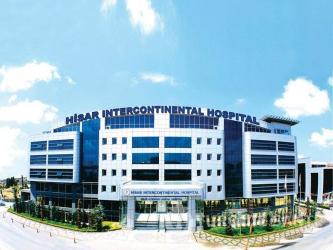

Certifications :
HISAR INTERCONTINENTAL 

Istanbul, Turkey
DR. MUSTAFA SOLAK
Verified CV : Medical Oncology. Training: Hacettepe University; residency at Şişli Etfal Hospital, Istanbul; further oncology training at Hacettepe University Institute of Oncology. Expertise: diagnosis and treatment of malignant diseases and individualized ... Read more
Prof. Dr. Şebnem İZMİR GÜNER
Main specialty: Clinical and oncological hematology Years of experience: Over 20 years in hematology and oncology Notable training: Medicine at Istanbul University; specialization in internal medicine and hematology at Istanbul University Cerrahpaşa; ... Read more
(221 Reviews)



Certifications :
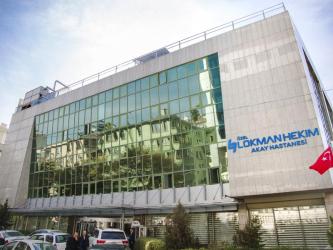
LOKMAN HEKIM ISTANBUL 
Istanbul, Turkey
Dr. Orhan ŞENCAN
Main Specialty : Medical Oncology and Internal Medicine SpecialistYears of Experience : 27 years.Notable Education : Hacettepe University (Faculty of Medicine),Ankara Training Hospital (Internal Medicine Specialization),Ankara University (Associate ... Read more
(68 Reviews)
Get a free expert opinion via our Medical Quiz
Have you ever undergone a Kidney cancer treatment ?


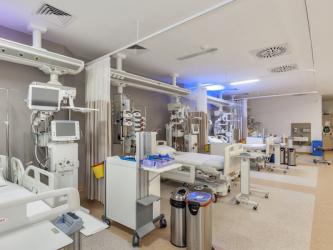
Certifications :
LIV Ulus 

Istanbul, Turkey
Prof. Dr. Duygu Derin
Main Specialty : Oncology Years of Experience : Over 20 years in medical oncology. Notable Trainings : Graduation from Istanbul University, Istanbul Faculty of Medicine in 1993; Specialization in Internal Diseases at Taksim Training and Research Hospital in ... Read more
Prof. Dr. Emre Merdan Fayda
Main Specialty : Oncology
Years of Experience : 24 years.
Notable Education : İstanbul University, İstanbul Medical Faculty, Bachelor’s Degree (1993-1999); İstanbul University Oncology Institute, Assoc. Prof. (2012-.....); Stereotactic Radiotherapy, ... Read more
(1 Reviews)



Certifications :


(2 Reviews)



Certifications :



(23 Reviews)























You have consulted 7 / 16 Hospitals
You don't pay for our services
We provide free consulting assistance in the framework of partnership agreements with clinics.
You only pay in the hospital where you received care.
Ready to take the first step ?
What is kidney cancer?
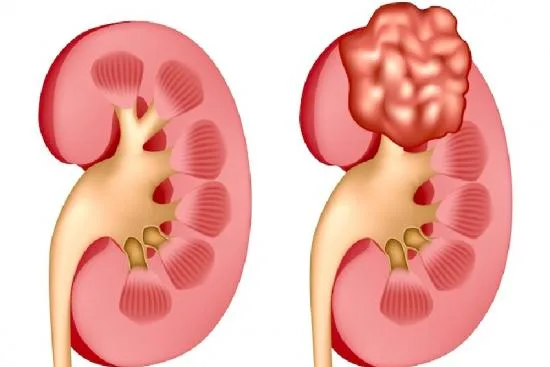
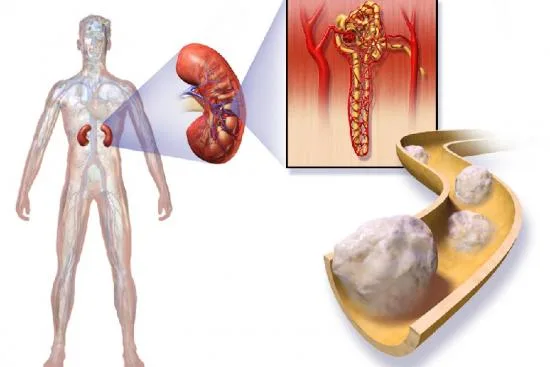
The kidneys are two bean-shaped organs located on either side of your spine, responsible for filtering waste from your blood. Kidney cancer arises when cells within the tiny filtering tubules undergo uncontrolled mutation and multiplication, forming a tumor that can potentially spread (metastasize) to other organs if not addressed.
Renal cell carcinoma (RCC) accounts for roughly 85% of all kidney cancers and includes several subtypes that influence treatment choice:
| Subtype | Share of RCC cases | Treatment implication |
| Clear cell RCC | ~70-75% | Most responsive to targeted therapy and immunotherapy in advanced stages |
| Papillary RCC | ~10-15% | Often multifocal; surgery remains first-line |
| Chromophobe RCC | ~5-7% | Generally slower-growing, favorable prognosis after surgery |
| Collecting duct carcinoma | 1-2% | Aggressive; one of the few kidney cancers where chemotherapy may be used |
A precise understanding of your tumor's subtype and stage, confirmed through biopsy and imaging, is essential for determining whether surgery alone is sufficient or if additional targeted therapy or immunotherapy is required.
What are the symptoms and risk factors of kidney cancer?
Roughly 60% of kidney cancers are discovered incidentally during routine ultrasound or CT scans performed for unrelated conditions. In early stages, renal tumors rarely cause noticeable symptoms.
Warning signs to monitor:
- Blood in the urine (hematuria): Pink, red, or cola-colored urine.
- Persistent flank or lower back pain: Unrelated to an injury or physical strain.
- Abdominal mass: A palpable lump on your side or lower back.
- Systemic symptoms: Unexplained weight loss, chronic fatigue, persistent low-grade fever, or anemia.
- Resistant hypertension: Sudden high blood pressure that is difficult to manage with medication.
Key risk factors:
- Lifestyle & health: Tobacco use (primary risk factor),obesity, poorly controlled hypertension, and diabetes.
- Occupational exposure: Prolonged exposure to cadmium, asbestos, or trichloroethylene.
- Demographics & heredity: Men aged 50-70 are twice as likely to develop Renal Cell Carcinoma (RCC). A family history of kidney disorders also increases susceptibility.
Clinical Note: If an imaging report (CT, MRI, or Ultrasound) reveals a suspicious renal lesion or mass, a second medical opinion from a specialized urologist is recommended to determine whether surgical evaluation is required.
How is kidney cancer diagnosed in Turkey?
Partner Turkish oncology centers use a combination of imaging, laboratory work, and pathology to make a precise diagnosis before recommending treatment.
- Abdominal Ultrasound/ Quick, non-invasive first-line exam to detect a mass.
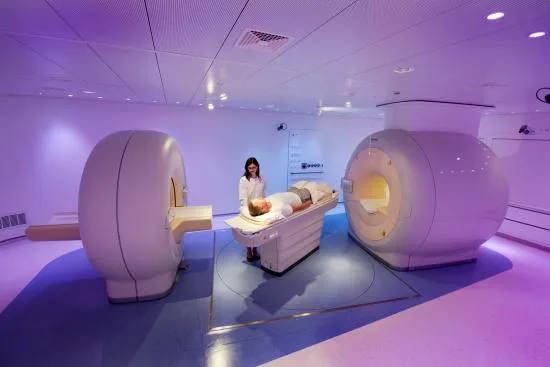
- CT scan (contrast-enhanced)/ The primary tool for staging; shows tumor size, location, and involvement of nearby structures.
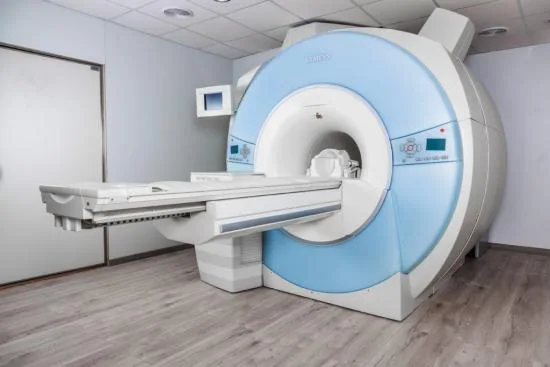
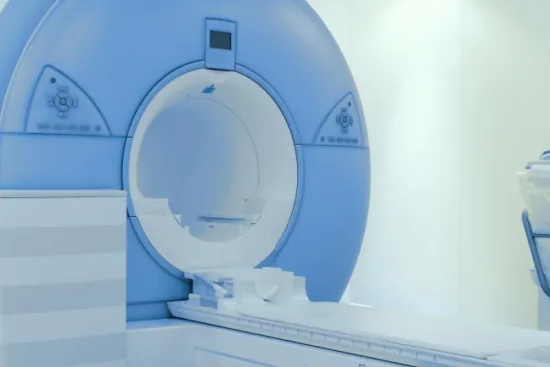
- MRI: used when radiation should be avoided or to assess vascular involvement.
- Needle biopsy: ultrasound- or CT-guided sampling to confirm the cancer subtype and grade before treatment planning.
- PET-CT: Used selectively to check for distant metastases in more advanced cases, not as a routine first step.
Once staging is complete, your case will be reviewed by a multidisciplinary tumor board consisting of urology, oncology, radiology, and pathology specialists before a treatment plan is proposed.
What are the surgical options for kidney cancer in Turkey?
Surgery is still the main treatment for localized kidney cancer. Turkish hospitals offer three main approaches:
Partial nephrectomy (kidney-sparing surgery)
This procedure removes only the tumor and a margin of healthy tissue, preserving as much kidney function as possible. It is the preferred option for tumors under 7 cm (stage T1) when technically feasible.
Radical nephrectomy
This procedure removes the entire affected kidney and is used for larger, centrally located, or more advanced tumors (stage T2-T3). Most patients live normal lives afterward with a single healthy kidney.
Robotic-assisted nephrectomy
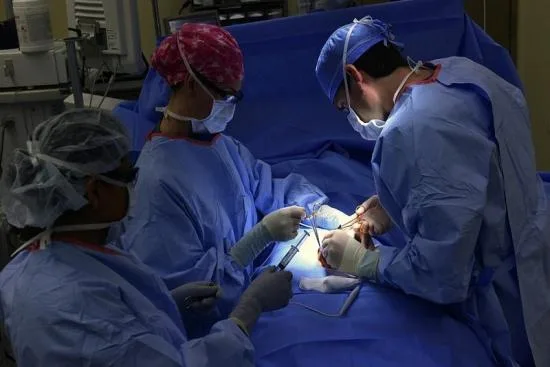
This procedure is performed with systems like the Da Vinci Xi and offers greater surgical precision, less blood loss, and a shorter hospital stay (two to four days) than open surgery. It is now the preferred technique in leading Turkish centers for both partial and radical procedures.
Your surgeon will consider tumor size and location, whether it has spread, your age, kidney function, and overall health when making a decision.
What are the non-surgical and minimally invasive options?
For patients who are not candidates for surgery or who have small tumors, there are two alternatives:
Renal Embolization
This interventional radiology procedure cuts off the tumor's blood supply, either to shrink it before surgery or to control bleeding.
Thermal ablation (cryoablation/radiofrequency ablation)
This is a needle-based technique that uses extreme cold or heat to destroy tumor tissue. It is typically reserved for small tumors, ideally under 3 cm, though sometimes considered for tumors up to 4 cm, in patients who cannot safely undergo surgery.
How is advanced or metastatic kidney cancer treated?
Once the cancer has spread beyond the kidney, systemic treatments are used.
Targeted therapy
These are oral medications, such as sunitinib, pazopanib, and cabozantinib, that block specific proteins that drive tumor growth while sparing more healthy tissue than traditional chemotherapy does. Your oncologist will select a specific drug based on your tumor's genetic profile and how you responded to prior treatments.
Immunotherapy
Checkpoint inhibitors, such as nivolumab and pembrolizumab, help your immune system recognize and attack cancer cells. They are delivered intravenously, often in combination with targeted therapy for advanced RCC, and require monitoring for immune-related side effects.
Chemotherapy: a limited role
Standard chemotherapy is generally ineffective against clear cell RCC, the most common subtype. It's mainly reserved for rare, aggressive variants, such as collecting duct carcinoma, where it may offer some benefit.
Your Turquie Santé medical advisor will connect you with an oncologist who will review your pathology report and imaging to determine which approach, alone or in combination, is best for you.
What is recovery like after kidney cancer surgery?
What is recovery like after kidney cancer surgery?
| Stage | Timeframe | What to expect |
| Hospital stay | 2-4 days (robotic/laparoscopic) to 5-7 days (open surgery) | Pain management, monitoring of remaining kidney function |
| Light activity | 1-2 weeks | Walking encouraged; no heavy lifting |
| Full recovery, robotic/laparoscopic | 10-14 days for initial recovery; several additional weeks to return to all normal activities | Most normal activities resume gradually |
| Full recovery, open surgery | 8-12 weeks | Longer wound healing time |
Living with one kidney is normal for the vast majority of patients: the remaining kidney gradually compensates, and function is monitored with regular blood tests.
What follow-up care is needed after kidney cancer treatment?
Follow-up protocols depend on your stage and treatment, but typically include:
- Regular blood tests to monitor kidney function (creatinine, eGFR).
- Periodic CT or MRI imaging (commonly every 6-12 months for the first few years) to check for recurrence.
- Blood pressure monitoring, since kidney function affects it directly.
- Lifestyle counseling: smoking cessation, weight management, and blood pressure control all help reduce recurrence risk.
Your Turquie Santé coordinator arranges continuity of care with your home oncologist once you've returned, including sharing your full English-language medical report.
What is the survival rate for kidney cancer?
Kidney cancer survival depends heavily on the stage at diagnosis. According to the U.S. National Cancer Institute's SEER program, the 5-year relative survival rate is approximately:
| Stage at diagnosis | 5-year relative survival |
| Localized (confined to the kidney) | ~93% |
| Regional (spread to nearby lymph nodes) | ~75% |
| Distant (metastatic) | ~18% |
These statistics highlight the critical role of early diagnosis and timely treatment in achieving the best possible outcomes, emphasizing that a well-organized medical journey is as crucial as the treatment itself.
Reviewed by Doç. Dr. Mustafa Emre ERCİN
Dr. Mustafa Emre Ercin is an Associate Professor of pathology, an expert in cellular analysis and tissue diagnosis at LHU Ankara. A key link between research and clinical practice, he validates the terminological and diagnostic accuracy of our content, ensuring laboratory analysis explanations are scientifically exact.
Kidney cancer treatment FAQ
What is the Best Hospital for kidney cancer?
Our partner medical centers in Turkey are among the best hospitals for kidney cancer treatment in the world. They offer the high-quality care at affordable costs.
Is it possible to remove only the tumor and spare the kidney?
It depends on the size of the tumor and its location in the kidney. The surgery is called partial nephrectomy or conservative nephron surgery.
Will I need to have additional treatment after removing a kidney tumor?
If there is no metastatic renal cell carcinoma, further medical treatment is not necessary in our clinics and hospitals in Turkey.
Do diet and lifestyle influence the risk of kidney cancer recurrence?
Yes, a balanced diet, regular physical activity, and quitting smoking and alcohol can help reduce the risk of kidney cancer recurrence.
Does treatment affect quality of life and kidney function?
Yes, treatment for kidney cancer, particularly surgery, can temporarily affect quality of life (fatigue, pain) and kidney function, especially if a kidney is removed. Regular medical follow-up helps manage these effects and preserve remaining kidney function.
Procedures available for this specialty




Share this page