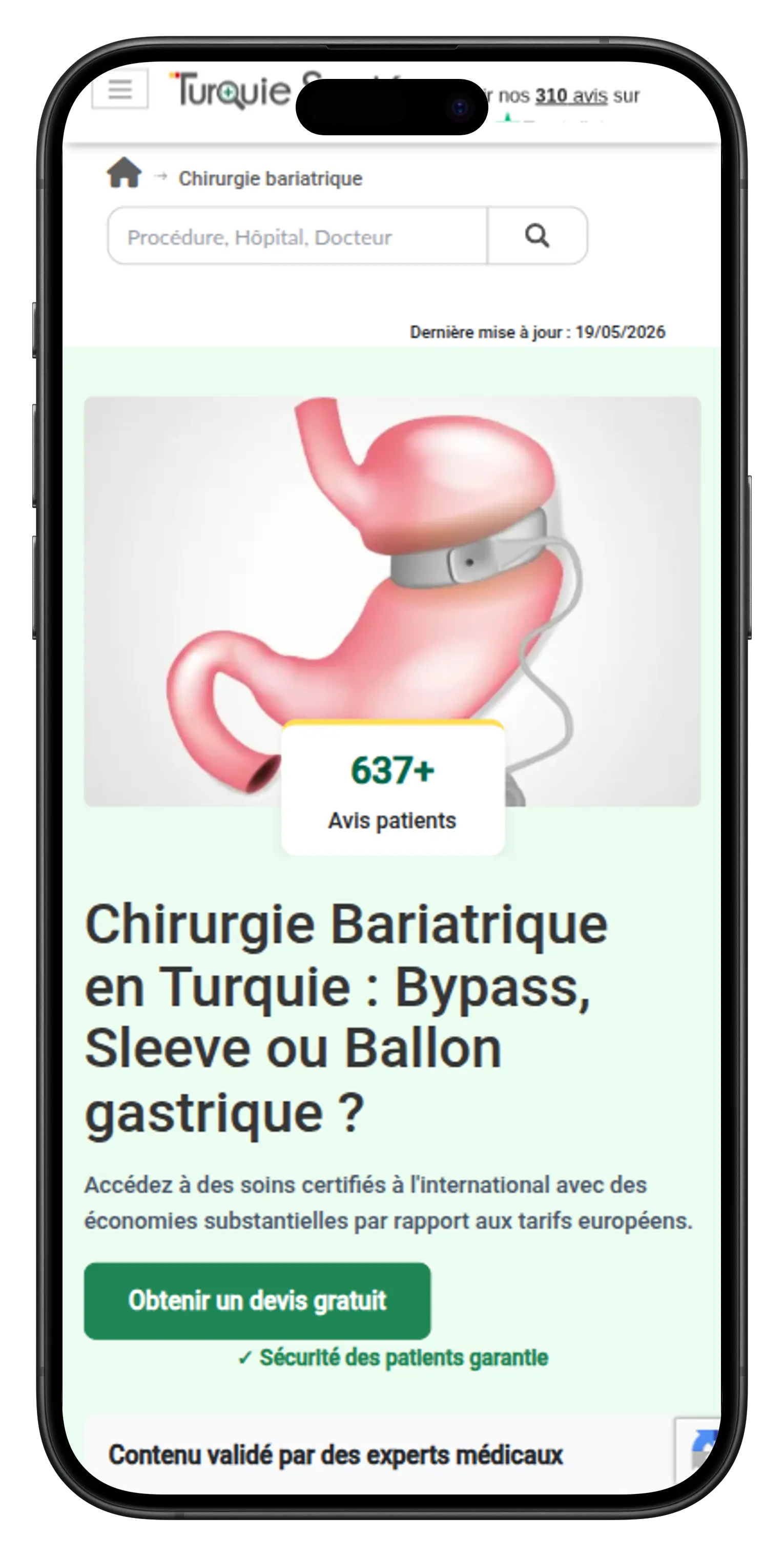
Gastric Botox offers a non-surgical approach to weight loss for individuals struggling despite diet and exercise, but who are not ready for irreversible surgery. This endoscopic injection, typically lasting 15 to 20 minutes, slows digestion and extends fullness, with effects that generally last 4 to 6 months. In Turkey, this procedure typically ranges from 1,200 to 1,600 euros, offering a competitive option for those seeking weight management solutions.
Results vary considerably from one patient to another, and clinical evidence on weight loss outcomes remains mixed rather than guaranteed, working best alongside real dietary changes. In Turkey, clinics partnered with Turquie Santé offer this alongside other bariatric options at competitive prices, letting first-time candidates test their response before considering a permanent option like gastric bypass.
Gastric Botox Injection Prices in Turkey
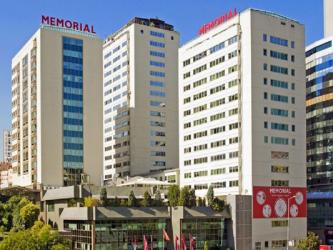
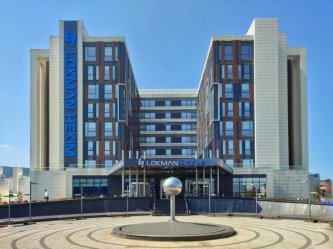
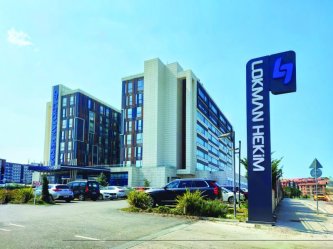
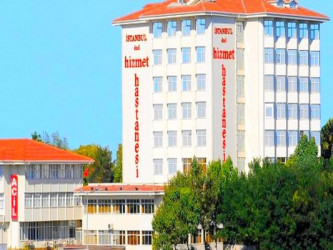
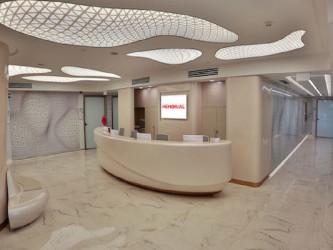
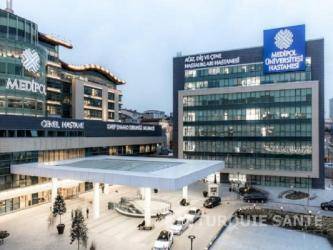
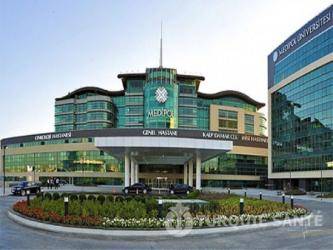
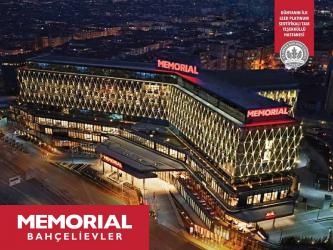
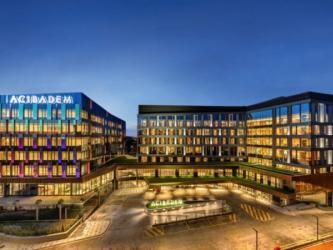
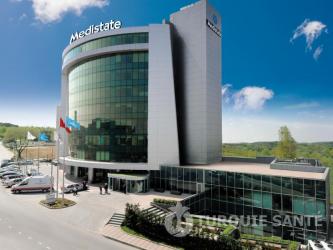
Turkish clinics partnering with Turquie Santé charge between 1,200 and 1,600 euros for gastric Botox injection. Price variations depend on clinic reputation, surgeon credentials, and package structure offered. These figures reflect high-quality care in JCI-accredited facilities equipped with international-standard endoscopy technology and anesthesia protocols.
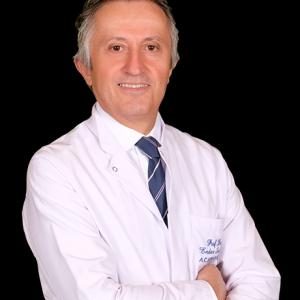
The price gap versus Western nations proves striking. France, Germany, or the United States charge 3,500 to 8,000 euros or dollars for identical procedures. Economic differences drive this disparity, not quality variations. Turkish clinics purchase modern equipment, enforce rigorous infection control standards, and employ endoscopists trained internationally. The value proposition becomes evident immediately.
Most packages bundle the procedure itself, light sedation, post-operative medications, and a 2-week follow-up consultation. Some partner clinics sweeten offers by combining gastric Botox with nutritional counseling or discounted repeat injections. Package customization varies widely, compare carefully before committing to ensure alignment with your needs.
Travel and accommodation costs deserve realistic consideration. European flights typically range 100 to 300 euros; Istanbul accommodation near partner clinics runs 30 to 100 euros nightly depending on preferences. Many patients transform medical necessity into wellness tourism, combining procedure with leisure time in this vibrant city.
Payment flexibility exists across many Turkish clinics. Certain facilities offer installment arrangements spreading costs across 3 to 6 months. Insurance rarely covers gastric Botox, classified as elective treatment in most jurisdictions. Before booking, contact your insurer directly, coverage varies significantly by plan and country of residence.
Risks and Side Effects
Gastric Botox carries minimal but real risks. Nausea, indigestion, and mild gastric discomfort occur in some patients during the first week. Rare complications include bleeding at the injection site, transient hematomas, or infection (though infection rates remain below 2% in certified Turkish clinics).
- Nausea and indigestion (typically resolve within 3 to 5 days)
- Mild gastric pain or cramping
- Rare: bleeding or hematoma formation
- Allergic reactions to botulinum toxin (extremely uncommon)
Unlike surgery, there are no permanent structural risks, and effects reverse naturally as the toxin metabolizes.