Turquie Santé
Last update : 24/08/2026

Medical assessment of fertility (male & female) in Turkey

Access internationally certified healthcare with substantial savings compared with European prices.

Get a free quote
Fertility assessment Turkey
638+
patient reviews
Patient icon
600K+
Requests received since 2018
Clinique icon
27
Clinics
Trustpilot icon
4.6
Ville icon
5
Cities
Docteurs icon
1K+
Recognized doctors

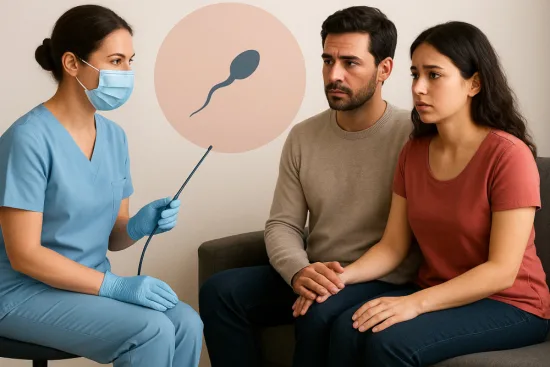
If you have been trying to conceive for months with no success, a fertility assessment is usually the fastest way to determine what is actually happening for both partners. In Turkey, the full diagnostic workup, which includes a hormone panel, pelvic ultrasound, semen analysis, and imaging if needed, is typically completed in two to three days. The timing is coordinated with the female partner's cycle. A reproductive endocrinologist reviews the results before you fly home.

This guide explains which tests are involved, when to have them, their cost, and what happens once you have your results.

How much does a fertility assessment cost in Turkey vs Europe?

Cross-border patients can access advanced medical care while saving 50% to 70% compared to typical private healthcare costs in the UK, France, or Northern Europe. The table below outlines these pricing variations:

Reproductive care procedureTurkey ($)UK & EU (private) ($)
Complete diagnostic package (Hormones
+ Ultrasound + Spermogram)
250 $ - 530 $750 $ - 1500 $
Standard IVF-ICSI cycle (Including all
stimulation tracking)
250 $ - 530 $8 700 $ - 16 300 $
IVF protocol with PGT-A (Comprehensive
chromosomal screening)
250 $ - 530 $12 800 $ - 22 700 $
Frozen embryo transfer (FET) (Thawing
and surgical transfer steps)
250 $ - 530 $3 260 $ - 5 600 $
Sperm DNA fragmentation screening
(Advanced molecular assay)
250 $ - 530 $320 $ - 530 $

Turquie Santé operates as an official international outreach partner for Turkey's premier, accredited hospital networks. Since we are directly integrated into hospitals' international medical travel structures, the clinics fully fund our consultation, appointment booking, and translation assistance. This ensures that patients receive factory-direct medical pricing with zero added agency fees.

Why choose Fertility assessment with Turquie Santé ?

Chirurgien icon

Expert surgeons and internationally certified hospitals

Économie icon

Substantial savings compared with European prices

Organisation icon

Medical stay organized from A to Z

Prix icon

Direct prices without commission

Résultat icon

Free assistance

All about your Fertility assessment in Turkey
Overview
Alternative care
Benefits
Payment

Verified reviews : 638

Alternative treatments

  • Doppler ultrasound of uterine arteries.

  • Operative hysteroscopy.
  • Genetic testing.
  • Immunological tests.

  • Sperm DNA fragmentation tests.

  • Testicular biopsy.

Highly qualified professionals in accredited institutions.


We assist you before, during, and after your trip


Book with full transparency, no hidden fees or commissions.

You will pay your clinic directly using these available methods:
Transfer

Verified testimonials from our patients

How it works ?

2
Services
We look for the best option for your case & budget
3
Hospital
Evaluating a care plan with the best quote
4
airplane
Making appointments & Organization of your trip
5
Health care
Ongoing support until you return home

Get a free medical opinion on Fertility assessment with our 27 Recognized Clinics

Certifications :

TÜV SÜD ISO 9001:2008 - Quality Management Certification HISAR INTERCONTINENTAL
JCI - Joint Commission International HISAR INTERCONTINENTAL
International Organization for Standardization (ISO) HISAR INTERCONTINENTAL
HISAR INTERCONTINENTAL
Istanbul, Turkey
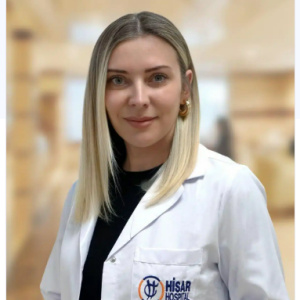
Dr. Fulya Gökdağlı SAĞIR

Dr. Fulya Gökdağlı SAĞIR

Main Specialty : Gynecology Years of Experience : 17 years. Notable Education : Graduated from the Faculty of Medicine at Istanbul Cerrahpaşa University in 2006, residency in Obstetrics and Gynecology at Medeniyet University from 2007 to 2013, certificate ... Read more
4.4 / 5
4.4(221 Reviews)
Price on request

Certifications :

International Organization for Standardization (ISO) LOKMAN HEKIM ISTANBUL
JCI - Joint Commission International LOKMAN HEKIM ISTANBUL
TÜV SÜD ISO 9001:2008 - Quality Management Certification LOKMAN HEKIM ISTANBUL
LOKMAN HEKIM ISTANBUL
Istanbul, Turkey
Op. Dr. Elif Esra UYAR

Op. Dr. Elif Esra UYAR

Main Specialty : Gynecology and ObstetricsYears of Experience : 23 years.Notable Trainings : Hacettepe University (1995 - 2001),Marmara University (2001 - 2006),Medeniyet University (2014),Acibadem Kadikoy Hospital (2016)Mastered Techniques : In Vitro ... Read more
4.7 / 5
4.7(66 Reviews)
Price on request

Certifications :

International Organization for Standardization (ISO) LIV Vadistanbul
SRC — Center of Excellence (Colorectal Surgery) LIV Vadistanbul
TÜV SÜD ISO 9001:2008 - Quality Management Certification LIV Vadistanbul
JCI - Joint Commission International LIV Vadistanbul
LIV Vadistanbul
Istanbul, Turkey
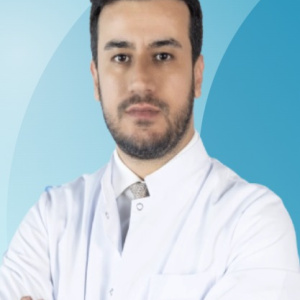
Assoc. Prof. Dr. Çağlar Çetin

Assoc. Prof. Dr. Çağlar Çetin

Main Specialty : Gynecology and Obstetrics Years of Experience : 10 years. Notable Trainings : Atatürk University Faculty of Medicine-Bachelor’s Degree, Abant İzzet Baysal University Faculty of Medicine Obstetrics and Gynecology- Specialty, Bezmialem ... Read more
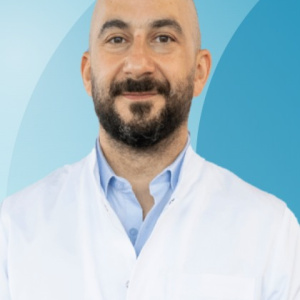
Op. Dr. Miraç Turan

Op. Dr. Miraç Turan

4.4 / 5
4.4(11 Reviews)
Price on request

Certifications :

SRC — Center of Excellence (Colorectal Surgery) LIV Ulus
JCI - Joint Commission International LIV Ulus
International Organization for Standardization (ISO) LIV Ulus
TÜV SÜD ISO 9001:2008 - Quality Management Certification LIV Ulus
LIV Ulus
Istanbul, Turkey
Prof. Dr. Doğa Seçkin

Prof. Dr. Doğa Seçkin

Prof. Dr. Doğa Seçkin specializes in fertility assessment with 15 years of gynecological expertise. He offers comprehensive infertility evaluation and management, including Intra Uterine Insemination (IUI) and IVF Treatment. His training includes advanced ... Read more
4.7 / 5
4.7(1 Reviews)
Price on request

Certifications :

International Organization for Standardization (ISO) MEMORIAL Şişli
TÜV SÜD ISO 9001:2008 - Quality Management Certification MEMORIAL Şişli
JCI - Joint Commission International MEMORIAL Şişli
MEMORIAL Şişli
Istanbul, Turkey
4.5 / 5
4.5(34 Reviews)
Price on request

Certifications :

TÜV SÜD ISO 9001:2008 - Quality Management Certification MEMORIAL ANKARA
International Organization for Standardization (ISO) MEMORIAL ANKARA
JCI - Joint Commission International MEMORIAL ANKARA
MEMORIAL ANKARA
Ankara, Turkey
4.3 / 5
4.3(2 Reviews)
Price on request

Certifications :

Leed Platinium Certificate MEMORIAL Bahçelievler
TÜV SÜD ISO 9001:2008 - Quality Management Certification MEMORIAL Bahçelievler
JCI - Joint Commission International MEMORIAL Bahçelievler
International Organization for Standardization (ISO) MEMORIAL Bahçelievler
MEMORIAL Bahçelievler
Istanbul, Turkey
4.3 / 5
4.3(23 Reviews)
Price on request

Certifications :

JCI - Joint Commission International Florence Nightingale
TÜV SÜD ISO 9001:2008 - Quality Management Certification Florence Nightingale
Florence Nightingale
Istanbul, Turkey
4.7 / 5
4.7(10 Reviews)
Price on request

Certifications :

International Organization for Standardization (ISO) AMERICAN HOSPITAL
TÜV SÜD ISO 9001:2008 - Quality Management Certification AMERICAN HOSPITAL
JCI - Joint Commission International AMERICAN HOSPITAL
AMERICAN HOSPITAL
Istanbul, Turkey
Dr. Aylin Pelin Çil

Dr. Aylin Pelin Çil

Main specialty: Obstetrics and Gynecology, reproductive medicine and fertility preservation Years of experience: 28 years Notable training: Graduate of Hacettepe Faculty of Medicine (1997),residency at Zübeyde Hanım Hospital (Ankara),fertility ... Read more
4.7 / 5
4.7(5 Reviews)
Price on request

Certifications :

International Organization for Standardization (ISO) MEMORIAL Antalya
JCI - Joint Commission International MEMORIAL Antalya
TÜV SÜD ISO 9001:2008 - Quality Management Certification MEMORIAL Antalya
MEMORIAL Antalya
Antalya, Turkey
4.7 / 5
4.7(1 Reviews)
Price on request

Certifications :

JCI - Joint Commission International ACIBADEM
International Organization for Standardization (ISO) ACIBADEM
TÜV SÜD ISO 9001:2008 - Quality Management Certification ACIBADEM
ACIBADEM
Istanbul, Turkey
4.6 / 5
4.6(171 Reviews)
Price on request

Certifications :

International Organization for Standardization (ISO) LOKMAN HEKIM Üniversitesi
TÜV SÜD ISO 9001:2008 - Quality Management Certification LOKMAN HEKIM Üniversitesi
4.7 / 5
4.7(1 Reviews)
Price on request

You have consulted 7 / 27 Hospitals

Related medical articles

Everything you will need for your medical trip

Medical opinion and estimates

Expert opinions and cost estimates

Pre-trip consultations

Understand your procedure before traveling.

Visa assistance

We assist our patients in obtaining their visas from the consulates.

Translation of your medical reports

We guarantee free and certified translation of your medical documents from all languages.

VIP Transport

Your transfers will be provided from the airport and your hotel.

Continuous Follow-up

You will be assisted by your attending doctor even after returning to your country, via videos or messages.

Experiences of our patients – Turquie Santé

Emily White : Medical Content Team Manager at Turquie Santécheck

Written by

Emily White

This content complies with the editorial policy of Turquie Santé. It was written by Emily White, Head of the Editorial Team, who has over 11 years of experience in scientific research and clinic management in Turkey. She ensures the reliability of medical information while making complex data accessible to everyone.

What is a fertility assessment?

A fertility assessment, also called a fertility checkup or workup, is a series of tests used to identify what may be preventing conception. These tests include hormonal blood tests, imaging studies, and a semen analysis. Instead of testing one partner in isolation, modern reproductive medicine evaluates both partners together since infertility is a shared condition. Roughly 40-50% of cases involve a male factor, a similar percentage involve a female factor, and the rest are due to a combination of factors or are unexplained.

Testing both partners simultaneously, rather than testing one partner and then the other, shortens the diagnostic timeline from months to days. This gives couples a clear next step, such as making lifestyle changes, inducing ovulation, undergoing intrauterine insemination (IUI),or undergoing in vitro fertilization (IVF) with intracytoplasmic sperm injection (ICSI).

When should you get a fertility assessment?

There's no need to wait indefinitely, but testing too early can also lead to unnecessary anxiety. As a general guide used by reproductive health services in the UK and elsewhere:

SituationWhen to test
Woman under 35, no known risk factorsAfter 12 months of regular, unprotected intercourse without conceiving
Woman aged 35-39After 6 months of trying
Woman 40 or olderTesting is recommended without delay
Irregular or absent periods, known PCOS or endometriosis, prior pelvic surgery, chemotherapy, or two or more miscarriagesTest as soon as you're ready, regardless of how long you've been trying
Man with a history of undescended testicle(s),mumps after puberty, groin surgery, or chemotherapyTest early, alongside the female partner

This mirrors the general guidance published by the NHS on infertility diagnosis, which also notes that both partners should ideally be seen together, since fertility problems can affect either, or both.

What does a fertility assessment in Turkey actually involve?

The process starts before you leave home. Through a telehealth consultation, a reproductive endocrinologist reviews your medical history, previous test results, and menstrual cycle dates to build a personalized testing schedule, so your appointments in Turkey are set for the correct cycle days from the moment you land.

Once you arrive (most patients travel to Istanbul or Antalya),the on-site sequence looks like this:

  1. Day 1: Consultation with the reproductive specialist, blood draw for the hormonal panel (if it falls within the correct cycle window),and transvaginal ultrasound.
  2. Day 2: Semen analysis for the male partner (after the required abstinence period) and any tubal-patency imaging (HyCoSy or HSG) if indicated.
  3. Day 2-3: Results review with your specialist, who explains the findings in plain terms and outlines next steps.

Most patients complete the entire process in 2 to 3 days. If additional investigations are needed (such as a hysteroscopy or a repeat semen analysis),your team will tell you before you travel so you can plan accordingly.

Which fertility tests are carried out for women?

A female fertility assessment combines hormonal blood work, imaging, and, if the initial results suggest a structural issue, a closer look at the uterus and fallopian tubes. Not every patient needs every test; your specialist tailors the list to your age, cycle history, and any existing diagnosis.

Hormonal blood panel (Day 2-4 of the cycle)

HormoneWhat it tells your doctor
AMH (Anti-Müllerian Hormone)Estimates remaining ovarian reserve; can be drawn on any cycle day
FSH (Follicle-Stimulating Hormone)High levels early in the cycle can suggest declining ovarian reserve
LH (Luteinizing Hormone)Triggers ovulation; the FSH:LH ratio helps flag PCOS
Estradiol (E2)Rules out an active ovarian cyst that could distort the FSH reading
Prolactin & TSHScreens for hormonal imbalances that commonly disrupt ovulation but are easily treated

These markers estimate egg quantity, not egg quality, a distinction worth knowing, since a normal AMH does not guarantee a chromosomally normal egg, particularly after age 38.

Pelvic ultrasound and antral follicle count (AFC)

A transvaginal ultrasound checks the uterine lining for polyps, fibroids, and structural variations. It also counts the small resting follicles (2-10 mm) visible in each ovary. This is called the antral follicle count. The AFC provides a direct visual estimate of ovarian reserve and helps your specialist determine an appropriate starting dose of ovarian stimulation, if needed.

Checking the fallopian tubes and uterine cavity

An egg still needs a clear path to meet the sperm. Depending on your history, your specialist may recommend one of the following:

  • HyCoSy (Hysterosalpingo-Contrast Sonography): an ultrasound-based test using a contrast solution, no radiation, generally well tolerated; mild cramping is possible for a few minutes.
  • HSG (Hysterosalpingogram): an X-ray-based dye test that maps blockages or adhesions with precision; some patients report brief cramping during the procedure.
  • Diagnostic hysteroscopy: a thin camera passed through the cervix to examine the uterine cavity directly; used when imaging suggests polyps or scar tissue, and can remove minor findings during the same session.

All three are outpatient procedures with a low complication rate; your doctor will flag any test that isn't appropriate for you (for example, HSG is avoided in the case of an active pelvic infection).

Which fertility tests are carried out for men?

Male fertility evaluation is primarily based on a detailed analysis of sperm quality and, when necessary, additional advanced tests to identify underlying reproductive issues. Male factors contribute to approximately 40-50% of infertility cases.

Advanced semen analysis (Spermogram)

Since male factors are involved in roughly 40–50% of infertility cases, a semen analysis is a standard, non-negotiable part of any couple's work-up — even when the female partner already has a known diagnosis.

Semen analysis (spermogram)

Performed after 2 to 5 days of sexual abstinence and analyzed against the WHO 2021 (6th edition) reference values, the test measures:

  • Concentration: reference threshold of ≥16 million sperm per mL
  • Progressive motility: reference threshold of ≥30% of sperm moving forward effectively
  • Morphology (Kruger strict criteria): reference threshold of ≥4% normally shaped sperm

It's worth knowing that these WHO figures represent the 5th percentile of fertile men whose partners conceived naturally; a single value below the threshold is a flag for further discussion, not an automatic diagnosis of infertility. Because sperm takes roughly 70-90 days to develop, an abnormal result is usually confirmed with a repeat test 4-8 weeks later.

Advanced male diagnostic interventions

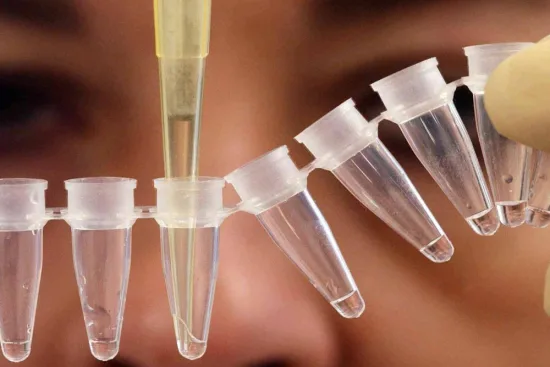
If initial spermograms show suboptimal values, Turkish specialized labs run advanced molecular tests:

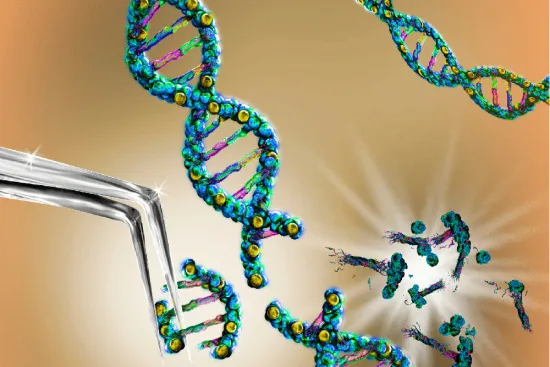
  • Sperm DNA fragmentation index (DFI): Evaluates single and double-strand DNA breaks within the sperm head. A high DFI score (>25-30%) can cause poor embryo development and recurrent early pregnancy loss, even when standard spermograms look completely normal.
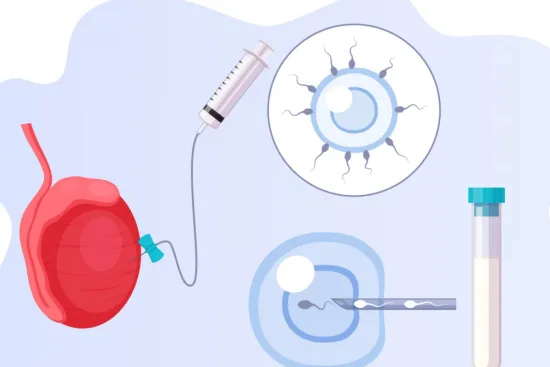
  • Micro-TESE (Microscopic Testicular Sperm Extraction): For cases of confirmed non-obstructive azoospermia (zero sperm in the ejaculate),specialized urologists use advanced operating microscopes to isolate hidden pockets of active sperm generation within the testicular tubules, which are then used in immediate ICSI procedures.

Are the tests safe? What are the risks?

Fertility diagnostic tests are low-risk outpatient procedures:

  • Blood tests and ultrasound carry no meaningful risk beyond standard blood-draw discomfort.
  • HSG and HyCoSy can cause mild, short-lived cramping or spotting; serious complications (infection) are rare and are reduced with prophylactic antibiotics when indicated.
  • Diagnostic hysteroscopy is generally done without general anesthesia and has a low risk of bleeding or infection.
  • Semen analysis and DFI testing carry no physical risk.

Your reviewing physician will flag if any test is inadvisable for you (for example, HSG is postponed if there's an active pelvic infection, and imaging is timed to avoid an undiagnosed early pregnancy).

What infertility treatment options are available after the assessment?

Once your complete diagnostic metrics are compiled, your medical team will build a targeted treatment plan designed around your specific physiology:

  • Controlled ovarian stimulation: Tailored for ovulatory conditions like PCOS, this approach uses carefully balanced oral or injectable therapies to stimulate steady follicle growth.
  • Intrauterine insemination (IUI): A well-timed procedure where washed, high-motility sperm cells are placed directly into the uterine cavity during ovulation, ideal for cases of unexplained or mild male-factor
  • infertility.
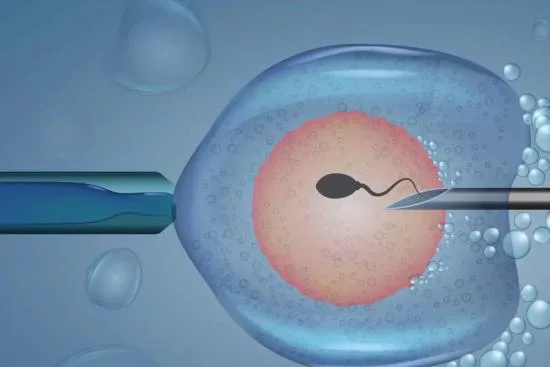
  • IVF-ICSI protocol: The global gold standard for complex cases. Instead of mixing cells in a dish, senior embryologists use micro-manipulators to gently inject a single high-quality sperm directly into each mature egg, maximizing fertilization success.
  • Ovarian rejuvenation therapy (PRP / Stem cell infusions): A pioneering option for patients with low AMH or early ovarian insufficiency. This involves injecting autologous Platelet-Rich Plasma (PRP) directly into the ovarian cortex to stimulate dormant follicles and improve natural egg response.
  • Advanced blastocyst vitrification: High-quality embryos that are not transferred immediately undergo rapid flash-freezing. Frozen Embryo Transfers (FET) allow the patient's uterine lining to return to a natural state after stimulation, which modern data shows significantly optimizes long-term implantation rates.

Tips to promote fertility

Want to start a family? Adopting a healthy lifestyle is the first step to optimizing your chances of conceiving. A balanced diet, rich in essential nutrients, combined with regular physical activity, promotes good hormonal function and improves egg and sperm quality.

Weight plays a crucial role. Obesity and excessive leanness can disrupt a woman's menstrual cycle and impair sperm quality in men.

Don't forget to limit stress, a real hormone disruptor. Relaxation techniques such as meditation or yoga can help manage it.

If difficulties persist, consult a specialist in Turkey. A fertility check-up will help to identify possible causes and set up an appropriate treatment.

Every body is unique, and personalized support can make all the difference.

What are IVF success rates in Turkey and how do they compare to Europe?

Turkey's modern reproductive health infrastructure achieves success rates that consistently match or exceed premier European and American clinics. Verified clinical registries across Turkiyesante's partner network demonstrate the following clear outcomes:

  • Under 35 years old: 55% to 65% clinical pregnancy rate per single blastocyst transfer.
  • Ages 35 to 39: 40% to 48% pregnancy success rate using advanced incubation protocols.
  • Ages 40 and over: 15% to 25% pregnancy success rate per cycle, often requiring Preimplantation genetic testing (PGT-A) to screen for age-related chromosomal variations.

Importantly, when combining standard IVF with PGT-A embryo selection, the live birth rate per transfer for patients under 38 increases to 51%. Top-tier clinical groups in Istanbul, including Memorial Hospital Group, Acıbadem Health Group, and Hisar Intercontinental Hospital, deploy advanced time-lapse embryo monitoring (EmbryoScope) and electronic double-witness safety tracking systems to maximize clinical safety and accuracy.

Procedures available for this specialty

Share this page

Our assistants help you to get the best options in Fertility assessment