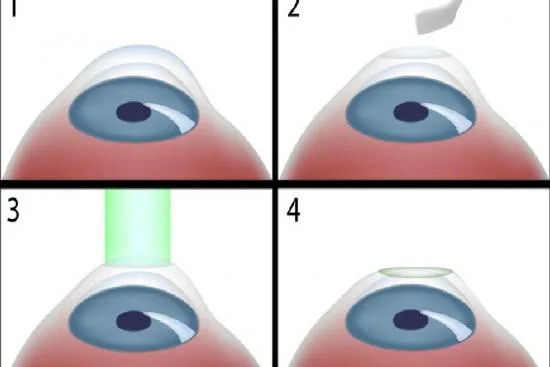
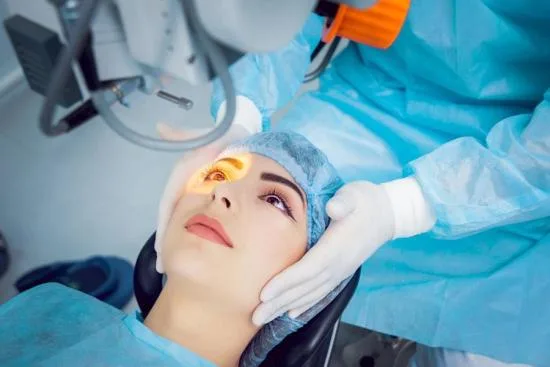
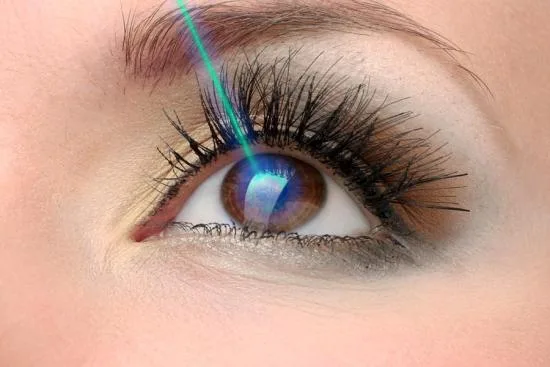
LASIK may be contraindicated, or recommended only after careful evaluation, in the following cases. Some are absolute contraindications and others are relative, so the decision belongs to the surgeon after a full examination:
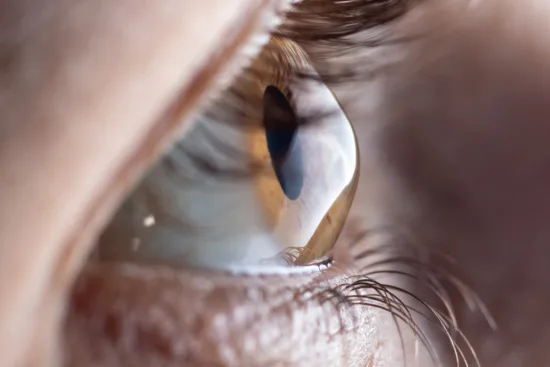
- Keratoconus or other corneal ectasia, or a suspicion of it.
- Cornea that is too thin for the planned correction.
- Unstable vision: a prescription that has changed in the past year, or an age under 18.
- Glaucoma or unstable intraocular pressure.
- Pregnancy or breastfeeding, because hormonal changes can alter vision.
- Autoimmune or connective tissue diseases (e.g., rheumatoid arthritis, lupus) and immunodeficiency disorders.
- Uncontrolled diabetes.
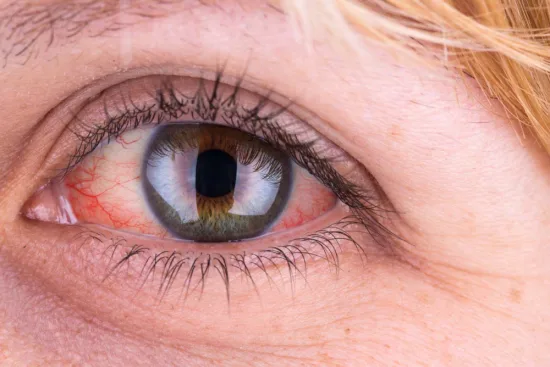
- Severe dry eye syndrome.
- Certain medications (e.g., isotretinoin, amiodarone) that may affect healing or vision.
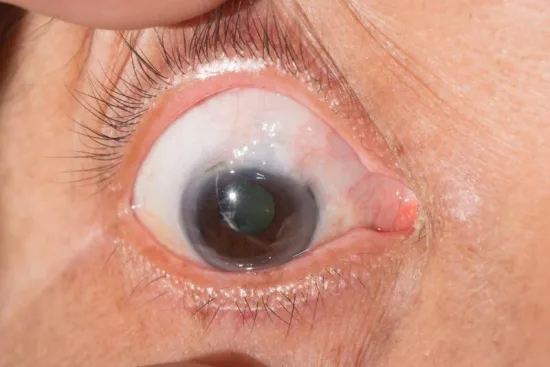
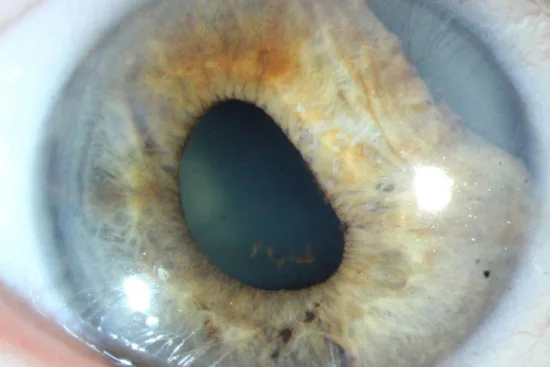
- Other corneal abnormalities (scarring, edema, or extensive neovascularization).
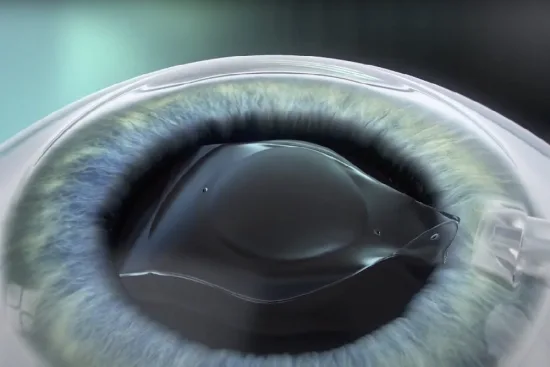
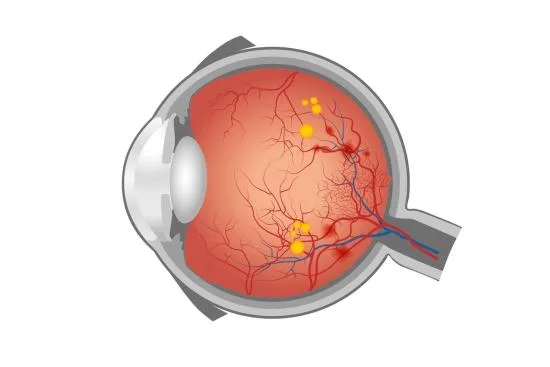
- Visually significant cataracts and retinal disorders (e.g., retinal detachment, macular degeneration).
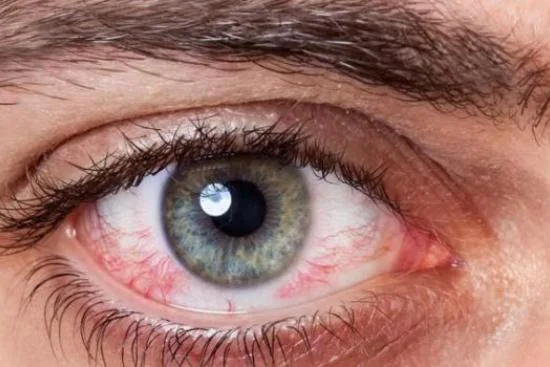
- Active eye infection or inflammation, including active herpes simplex eye disease.
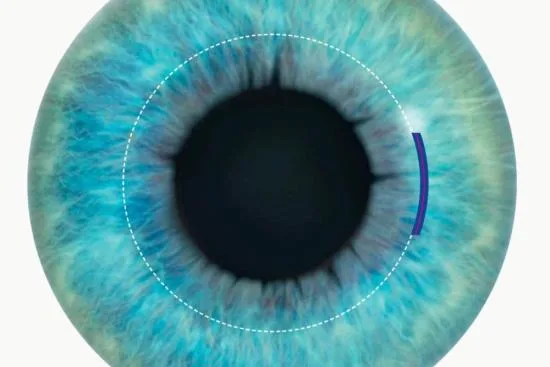
- A refractive error outside the range that can be treated safely, or very large pupils in some cases.
A complete pre-operative examination is essential to determine whether LASIK or another technique is suitable for you.