Turquie Santé
Last update : 10/11/2026

Colorectal cancer treatment in Turkey: Procedures, benefits and prices

Access internationally recognized healthcare with substantial savings compared with European prices.

Free Medical Opinion
Colorectal cancer treatment Turkey
794+
patient reviews
across all procedures

Colorectal cancer, also known as bowel cancer, is one of the most common cancers worldwide, and staging changes everything: the outlook is considerably better when the disease is caught at a localized stage than once it has spread to distant organs. That is why timing, and getting to the right surgical and oncology team quickly, matters as much as the treatment itself.

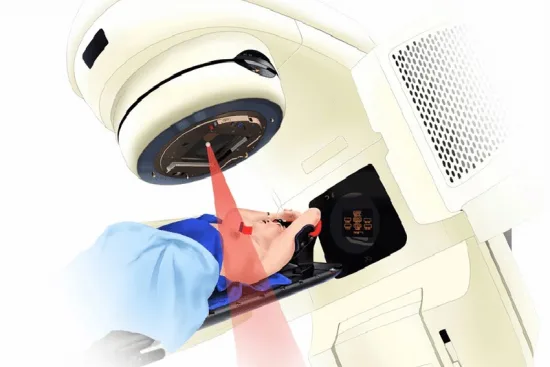
Partner hospitals in Turkey treat colorectal cancer with laparoscopic or robotic colectomy for the tumor itself, combined with chemotherapy or, for rectal cancers, radiotherapy depending on the stage. Turquie Santé connects patients with these oncology and colorectal surgery teams and coordinates the diagnostic workup, treatment, and follow-up care.

Prices for colorectal cancer treatment in Turkey

The price depends directly on the stage of the disease and the chosen protocol. As an indication:

ProtocolIndicative price range in Turkey
Complete diagnostic workup$1,500 – $3,000
Laparoscopic surgery$10,000 – $18,000
Robotic surgery$15,000 – $25,000
Chemotherapy course (6 cycles)$8,000 – $15,000
Targeted therapy / immunotherapy course$12,000 – $30,000

Prices are indicative; only the personalized quote is binding. These amounts can vary significantly based on the clinic, the surgeon, and the length of hospital stay. The complete treatment of stage III disease has no displayed price: each partner clinic provides a personalized quote once the medical file (assessment, stage, proposed protocol) has been reviewed.

Risks and Side Effects

  • Surgery: bleeding, infection, leak at the bowel suture, obstruction, delayed healing, temporary or, more rarely, permanent stoma.
  • Chemotherapy: fatigue, nausea, diarrhea, low white blood cell count, neuropathy with some regimens.
  • Rectal radiotherapy: bowel and bladder irritation, bowel habit changes, effects on sexual function.
  • Targeted therapy and immunotherapy: effects depend on the drug, to be discussed with the oncologist.
  • Recurrence is possible, especially in advanced stages.
  • Never stop a prescribed treatment or a blood thinner on your own: the decision belongs to the prescribing doctor.

Why choose Colorectal cancer treatment with Turquie Santé ?

Chirurgien icon

Accredited surgeons and hospitals (JCI, ISO)

Économie icon

Indicative prices, often lower than in Western Europe depending on the case

Organisation icon

Medical stay organized from A to Z

Prix icon

Detailed quote (included / not included) before your stay

Résultat icon

Free review of your file

All about your Colorectal cancer treatment in Turkey
Overview
Alternative care
Benefits
Payment

Intervention or treatment's duration :

  • Depending on the stage of the disease, the type of treatment administered and the patient's individual response.

Recovery time :

Recovery time depends on the type of procedure, the site operated (colon or rectum),any associated treatments and each patient. The surgeon will tell you the expected length of hospital stay, when you can resume activities and when you can fly home.

Alternative treatments
  • Depending on the stage: endoscopic resection for some very early lesions, open surgery, radiochemotherapy before surgery for some rectal cancers, palliative treatments in advanced stages.
  • The choice is made by the multidisciplinary team.

Highly qualified professionals in accredited institutions.


We assist you before, during, and after your trip


A detailed quote is presented to you before your stay. Our support is free for the patient and any fees are specified in advance.

You will pay your clinic directly using these available methods:
Transfer

Verified testimonials from our patients

Allison M.
Verified review

The hospital is spacious and well-equipped, which makes the experience more comfortable, even though colorectal surgery takes some time. The medical team was very professional and attentive from start to finish. What really made a difference was the ..Read more


24/11/2025
This patient was treated for Colorectal cancer treatment
Pauline M.
Verified review

A mastectomy is not just an operation. Before going through it, I had a lot of doubts. After the operation, it took time to recover and to get used to my changed body. Some days were harder than others. Throughout that period, the Turquie Santé team ..Read more


15/06/2026
This patient was treated for Mastectomy
MESROUCHE EL H.
Verified review

I had a PET scan at Hisar Intercontinental. The examination went smoothly, and the staff were professional. I just found the wait for the results a little long.


06/05/2026
This patient was treated for Pet-Scan (Pet-CT)
arbadji Z.
Verified review

very satisfied with the care and quality and competence of the doctors. I have to come back in a few months to continue my care.


17/03/2026
This patient was treated for Oncology-Cancerology
Imane B.
Verified review

I would like to thank the entire Turquie Santé team as well as the Acıbadem Clinic for their warm welcome and great professionalism. The care for my Hodgkin's disease was excellent, from the first consultation to the medical follow-up. I received car..Read more


03/03/2026
This patient was treated for Hodgkin's disease treatment
Jenny Y.
Verified review

I would like to share my experience with Turquie Santé and Memorial Clinic and to thank the coordinator Emily, who took the time to explain every step to me — she speaks French, which was great. She arranged a teleconsultation with Dr. Akin Yildiz, a..Read more


01/03/2026
This patient was treated for Mastectomy
Karima B.
Verified review

very well in general, my father is better after the success of the removal of his brain tumor, I congratulate the doctor Sultan Tarlaci and Kevin who organized everything for me, except the day of my arrival at the airport I struggled to find the dri..Read more


11/02/2026
This patient was treated for Brain cancer treatment
Julie B.
Verified review

I thank the platform Turquie Santé for organizing my medical stay in Turkey. The hotel was comfortable, the interpreter was always there when needed, and my coordinator Emily really made a difference—present at every step, available and reassuring wh..Read more


10/02/2026
This patient was treated for Stomach cancer
Emily White : Medical Content Team Manager at Turquie Santécheck

Written by

Emily White

This content complies with the editorial policy of Turquie Santé. It was written by Emily White, Head of the Editorial Team, who has over 11 years of experience in scientific research and clinic management in Turkey. She ensures the reliability of medical information while making complex data accessible to everyone.

Get a free medical opinion on Colorectal cancer treatment with our recognized clinics

Certifications :

International Organization for Standardization (ISO) MEMORIAL Şişli
JCI - Joint Commission International MEMORIAL Şişli
MEMORIAL Şişli
Istanbul, Turkey
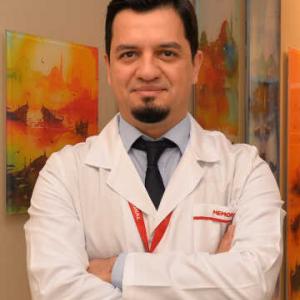
Mehmet Akif Öztürk

Mehmet Akif Öztürk

14 years of experience
Graduated in medicine from Marmara University (2003),specializing in internal medicine (2009) and medical oncology at Cerrahpaşa University (2012). Mandatory service at Hatay Antakya State Hospital (2012-2014),became assistant professor in 2015 and ... Read more
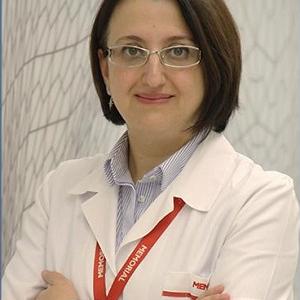
Prof. Betül Tavil

Prof. Betül Tavil

20 years of experience
Main specialty : Pediatric Hematology and OncologyYears of experience : More than 20 years.Key training : Hacettepe University Faculty of Medicine, Dr. Sami Ulus Children’s Hospital, Hacettepe University – Pediatric Hematology.Languages spoken : English, ... Read more
4.5 / 5
4.5(34 Reviews)

Certifications :

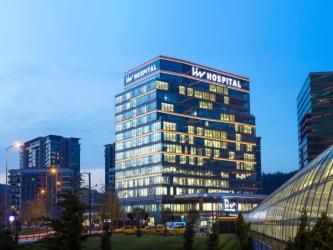
International Organization for Standardization (ISO) LIV Vadistanbul
JCI - Joint Commission International LIV Vadistanbul
LIV Vadistanbul
Istanbul, Turkey
Assoc. Prof. Dr. Murat Ayhan

Assoc. Prof. Dr. Murat Ayhan

19 years of experience
Main Specialty : Oncology Years of Experience : 19 years. Notable Training : Dicle University, Faculty of Medicine 2007; Associate Professor of Medical Oncology 2023 Mastered Techniques : Immunotherapy; Hormonal Therapy; Chemotherapy Notable Achievements : ... Read more
4.4 / 5
4.4(11 Reviews)

Certifications :

JCI - Joint Commission International HISAR INTERCONTINENTAL
International Organization for Standardization (ISO) HISAR INTERCONTINENTAL
HISAR INTERCONTINENTAL
Istanbul, Turkey
ASSOC PROF. GÖRKEM TÜRKKAN M.D.

ASSOC PROF. GÖRKEM TÜRKKAN M.D.

17 years of experience
Verified CV: Radiation Oncology. Medical training at Gülhane Military Medical Academy and Zonguldak Karaelmas (Bülent Ecevit) University Faculty of Medicine, completed in 2009; Radiation Oncology specialization at Trakya University. He received the title of ... Read more
Assoc. Prof. Dr. Sema KARAKAŞ

Assoc. Prof. Dr. Sema KARAKAŞ

18 years of experience
Main Specialty : Gynecological Oncology and Gynecology-ObstetricsYears of Experience : 18 years.Notable Trainings : Cerrahpaşa Faculty of Medicine / Istanbul University (2002-2008),Istanbul Bakırköy Dr Sadi Konuk EAH. Gynecology and Obstetrics Clinic ... Read more
4.4 / 5
4.4(222 Reviews)

Certifications :

International Organization for Standardization (ISO) LOKMAN HEKIM ISTANBUL
JCI - Joint Commission International LOKMAN HEKIM ISTANBUL
LOKMAN HEKIM ISTANBUL
Istanbul, Turkey
Dr. Orhan ŞENCAN

Dr. Orhan ŞENCAN

38 years of experience
Main Specialty : Medical Oncology and Internal Medicine Specialist Years of Experience : 38 years. Notable Education : Hacettepe University (Faculty of Medicine),Ankara Training Hospital (Internal Medicine Specialization),Ankara University (Associate ... Read more
4.7 / 5
4.7(69 Reviews)
Get a free expert opinion via our Medical Quiz
Have you ever undergone a Colorectal cancer treatment ?

Certifications :

JCI - Joint Commission International LIV Ulus
International Organization for Standardization (ISO) LIV Ulus
LIV Ulus
Istanbul, Turkey
Asst. Prof. Dr. Meltem Topalgökçeli Selam

Asst. Prof. Dr. Meltem Topalgökçeli Selam

21 years of experience
Main Specialty : Medical Oncology Years of Experience : 21 years. Notable Education : İstanbul Faculty of Medicine, İstanbul University; Üsküdar American Academy for Girls Expertise : Gastrointestinal cancers; Ovarian cancers Notable Achievements : At ... Read more
Prof. Dr. Emre Merdan Fayda

Prof. Dr. Emre Merdan Fayda

24 years of experience
Main Specialty : Oncology Years of Experience : 24 years. Notable Education : İstanbul University, İstanbul Medical Faculty, Bachelor’s Degree (1993-1999); İstanbul University Oncology Institute, Assoc. Prof. (2012-.....); Stereotactic Radiotherapy, ... Read more
4.7 / 5
4.7(1 Reviews)

Certifications :

JCI - Joint Commission International HIZMET By Memorial
International Organization for Standardization (ISO) HIZMET By Memorial
HIZMET By Memorial
Istanbul, Turkey
Dr. Gülsüm ÇEBİ

Dr. Gülsüm ÇEBİ

Doç. Dr. Arzu Yurci

Doç. Dr. Arzu Yurci

4.0 / 5
4.0(2 Reviews)

Certifications :

JCI - Joint Commission International ACIBADEM
International Organization for Standardization (ISO) ACIBADEM
ACIBADEM
Istanbul, Turkey
Dr. Ayşe Sagduyu Kocaman

Dr. Ayşe Sagduyu Kocaman

30 years of experience
Dr.Ender Semiz

Dr.Ender Semiz

30 years of experience
4.6 / 5
4.6(183 Reviews)

You have consulted 7 / 31 Hospitals

🩺 Medical note — The content of this page is provided for information purposes and in accordance with our medical charter. It does not constitute medical advice and does not replace a consultation with a healthcare professional. Prices are indicative and will be specified in a personalized quote after reviewing your file. Any treatment must be assessed and approved by a qualified doctor.
What is colorectal cancer? Definition and risk factors

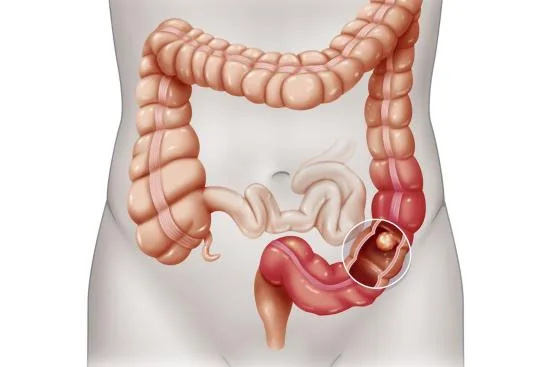
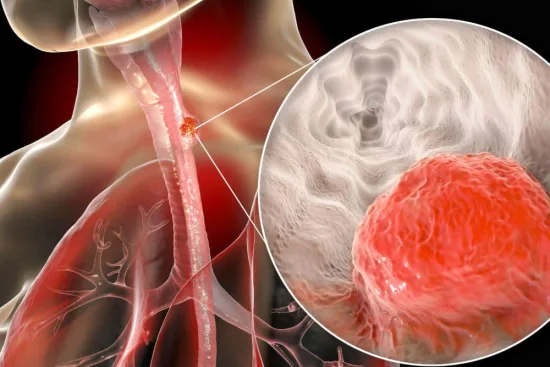
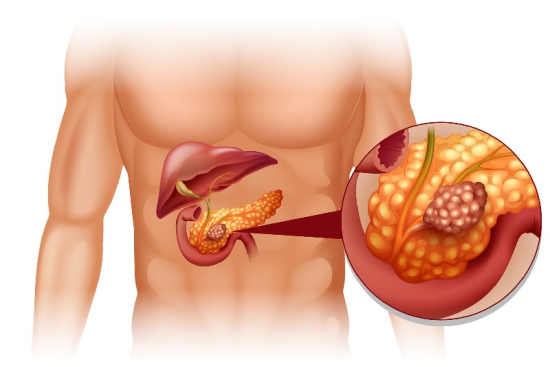
Colorectal cancer includes cancers of the colon and rectum. It most often results from the progressive transformation of a benign polyp into a malignant tumor on the inner wall of the intestine. The risk increases significantly after age 50. Several factors increase the likelihood:

  • Age: the majority of cases are diagnosed after 50 years old.
  • Family history: a close relative with colorectal cancer or adenomatous polyps increases the risk.
  • Inflammatory bowel diseases (IBD): ulcerative colitis, Crohn's disease.
  • Diet: low in fiber, high in saturated fats, red meat, and processed meats.
  • Obesity and physical inactivity.
  • Smoking and alcohol, when consumed excessively and over long periods.

Symptoms to watch for

Even if they can be subtle at first, here are the main symptoms of colorectal cancer to watch for.
Digestive signs

Digestive symptoms can be the first signs of a disorder of the colon or rectum:

  • Persistent constipation, prolonged diarrhea, or alternating between the two.
  • Abnormally thin stools or stools with a changed shape.
  • Sensation of incomplete bowel emptying.
  • Blood in the stool (bright red or dark) or visible rectal bleeding.

General signs

In addition to digestive problems, some general signs can also alert to the presence of colorectal cancer or another underlying condition:

  • Persistent abdominal pain or cramps.
  • Unexplained fatigue, involuntary weight loss.
  • Anemia related to chronic digestive bleeding.

An often overlooked point: right-sided colon tumors are quieter and can progress for a long time without visible symptoms, unlike tumors of the left colon or rectum, which appear earlier through changes in bowel habits. This is another argument in favor of following the screening recommended in your country, even in the absence of symptoms.

Screening and diagnosis in Turkey: the examinations involved

The diagnosis is based on several complementary examinations, carried out at the partner clinics of Turquie Santé according to your file:

  • Colonoscopy: the central screening exam. It allows direct visualization of the inside of the colon and rectum using a camera to detect suspicious polyps, remove them, and perform biopsies if needed.
  • Biopsy: the tissue sampled during the colonoscopy is analyzed to confirm or rule out the lesion's cancerous nature.
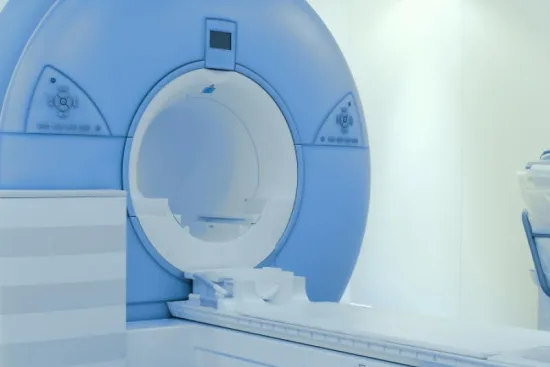
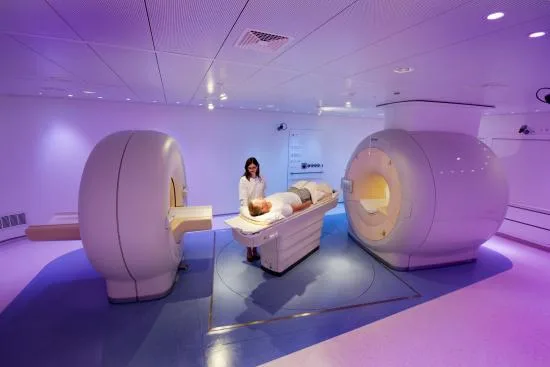
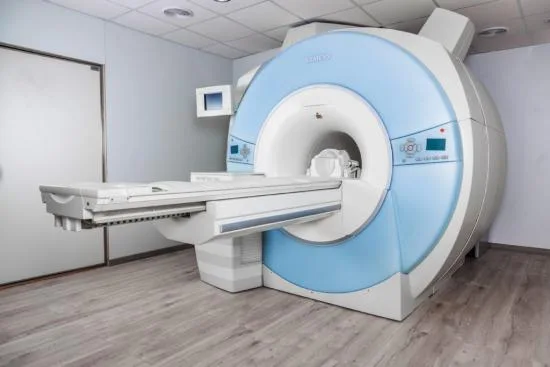
  • CT scan / MRI: assesses the local extension of the tumor into the intestinal wall and neighboring organs.
  • PET scan: depending on the case, searches for possible distant metastases, notably in the liver or lungs.

This entire assessment allows for the establishment of the stage of the cancer. This step is essential before choosing the most appropriate treatment protocol.
Stages of colorectal cancer: what they mean for treatment

Staging follows the international TNM classification (Tumor, Nodes, Metastases). It directly determines the therapeutic strategy:

StageDescriptionTypical therapeutic approach
Stage 0-ITumor limited to the inner wall of the colon/rectum, without lymph node involvement.Surgical resection alone (often by colonoscopy or minimally invasive surgery); no systematic chemotherapy is typically needed.
Stage IITumor that has penetrated the intestinal wall, without lymph node involvement.Surgery, adjuvant chemotherapy depending on risk factors (size, histologic grade).
Stage IIIInvolvement of regional lymph nodes.Surgery, often followed by adjuvant chemotherapy depending on the stage and the risk of recurrence; radiotherapy is associated for rectal cancer.
Stage IVDistant metastases (liver, lungs most often).Combined treatment: chemotherapy, targeted therapies, sometimes surgery on metastases, and immunotherapy depending on the tumor's molecular profile.

Survival varies greatly depending on the stage at diagnosis: in the United States, the 5-year relative survival is around 90% for localized colorectal cancer (SEER, American Cancer Society) and markedly lower for metastatic forms. These group statistics do not predict the course of an individual patient, and underline the importance of early screening.

Treatments offered in Turkey

The choice of treatment depends directly on the stage determined during the diagnostic workup but also on the exact location of the tumor and the patient's profile.

Colorectal surgery (Colectomy & Proctectomy): three possible approaches

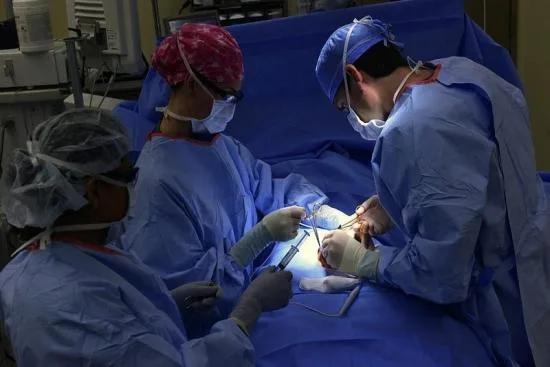
Surgical resection remains the reference treatment, particularly for stages I to III. The choice of technique depends on the tumor's location, its stage, and the patient's overall condition.

Open surgery (laparotomy)

Reserved for large, complex tumors or in case of complications (obstruction, perforation). Large incision, longer recovery, but sometimes necessary for optimal surgical control.

Laparoscopy

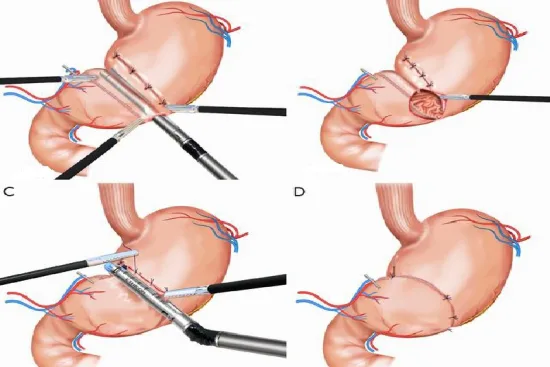
Minimally invasive technique through small incisions and a camera. Advantages: reduced postoperative pain, minimal scarring, faster recovery of bowel function, and shorter hospitalization. It is now the reference for the majority of operable colon tumors.

Robotic surgery

The surgeon pilots miniaturized instruments via a console with magnified 3D vision. This technique, often referred to as robotic proctectomy for rectal tumors, is particularly suited to cases where precision in a narrow anatomical space (the pelvis) is crucial to preserve sphincter function and avoid a permanent colostomy. Recovery is generally faster than with open surgery.

In all three cases, the operation is often accompanied by sampling and analysis of nearby lymph nodes, essential to confirm the true stage of the disease. Depending on the location and extent of the resection, a temporary colostomy (while the intestine heals) or, more rarely, a permanent one may be necessary.

Chemotherapy, radiotherapy, and innovative treatments

Beyond surgery, several treatments can be used alone or in addition, depending on the stage of the disease and its exact location:

  • Chemotherapy: administered before surgery (neoadjuvant, to reduce the tumor) or after (adjuvant, to limit the risk of recurrence).
  • Radiotherapy: mainly indicated for rectal cancers or advanced stages, often combined with chemotherapy.
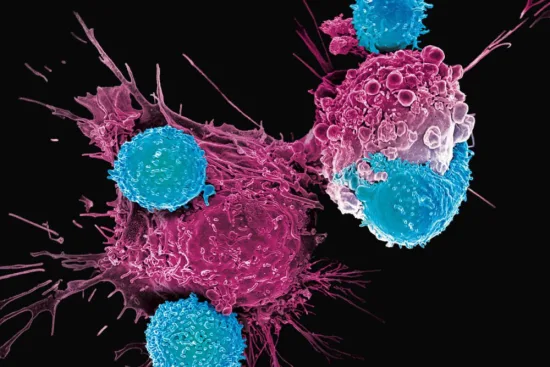
  • Targeted therapies and immunotherapy: reserved for certain molecular profiles of the tumor (RAS/BRAF status, microsatellite instability); they allow a more precise action on cancer cells while preserving healthy tissue.

After treatment: follow-up, side effects and support

The end of active treatment does not mark the end of the journey. Three aspects are essential to anticipate:

Follow-up and risk of recurrence

A surveillance protocol (blood tests, follow-up colonoscopies, imaging) is put in place for several years, with the risk of recurrence being higher in advanced stages.

Managing side effects

Depending on the treatment received, patients may face prolonged fatigue, digestive troubles, neuropathy related to certain chemotherapies, or necessary adaptation in case of a stoma. Dietary support and regular medical follow-up help to mitigate these effects.

Psychological support

The diagnosis and treatment of cancer have a significant emotional impact on the patient as well as on their loved ones. Psychological support, offered alongside medical follow-up, is an integral part of comprehensive care, not a mere optional extra.

Teleconsultations and remote follow-up, provided by Turquie Santé and its partners, make it possible to stay in contact with the Turkish medical team once you have returned home.

Related medical articles

Colorectal cancer treatment FAQ

Can I continue colorectal cancer treatment in my home country after the procedure in Turkey?

Yes, treatment and postoperative follow-up can be continued in your home country, in coordination with the medical team and Turquie Santé.

What foods should be eaten or avoided during colorectal cancer treatment?

The goal is a balanced diet with enough calories and protein to support healing. Advice on fruit, vegetables and fiber depends on your symptoms and treatment: in case of diarrhea, a stoma or bowel narrowing, the medical team may recommend a low-residue diet and you should not increase fiber on your own. It is usually advised to limit very fatty, fried, highly sugary or processed foods and alcohol. Ask your care team or an oncology dietitian for a personalized plan.

How long should I plan for a complete stay for colorectal cancer treatment in Turkey?

The length of stay depends on the treatment and your situation: surgery usually requires a stay of about one to two weeks or more depending on the procedure, followed by consultations for chemotherapy or radiotherapy according to the treatment protocol. The medical team confirms the schedule after reviewing your file.

What is the cure rate for colorectal cancer?

The outcome depends on the stage of the cancer at diagnosis. When detected early, the prognosis is considerably better; in more advanced stages it is less favorable and requires combined treatments. In the United States, 5-year relative survival for localized colorectal cancer is around 90% (SEER, American Cancer Society). These are group statistics: your oncologist can explain what they mean for your case.

How long does hospitalization last after colorectal cancer surgery?

Hospitalization after colorectal cancer surgery varies with the type of procedure (laparoscopic or open),the site operated, the patient's recovery and any complications. It generally ranges from a few days to over a week; the surgical team determines the exact duration.

Can colorectal cancer recur after treatment?

Yes, colorectal cancer can recur, especially in advanced stages. Regular follow-up with medical examinations and colonoscopies allows early detection of recurrence and prompt intervention.

Other procedures in this specialty

Share this page

Our assistants help you to get the best options in Colorectal cancer treatment