

Say goodbye to wisdom teeth problems: your extraction guide

Say goodbye to wisdom teeth problems: your extraction guide

Related Articles


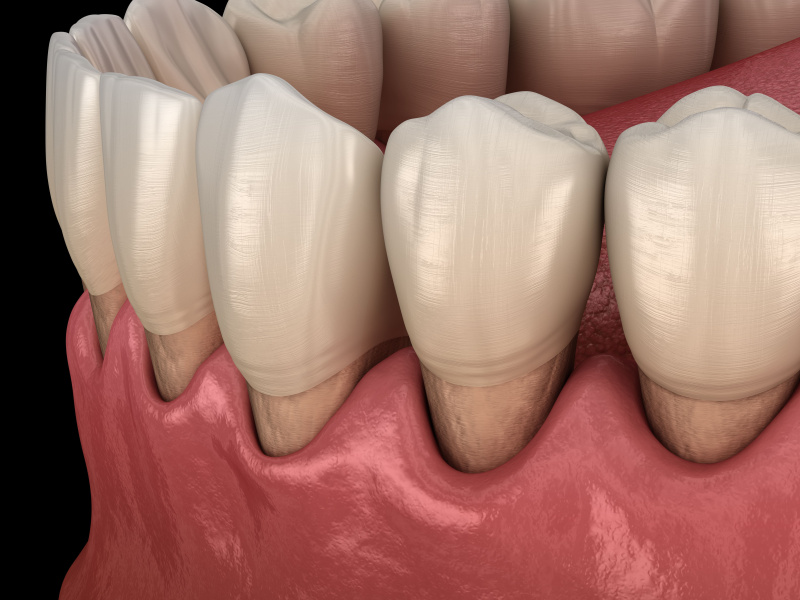
Have you noticed that your teeth seem more exposed than before, or that your gums have become thinner? It could be gingival recession, a relatively common phenomenon that deserves special attention. Although it can develop discreetly, this condition is not to be taken lightly. Fortunately, there are...

What is a dental fistula? A dental fistula is a visible channel through which pus, often from an untreated tooth infection, can drain into the surrounding tissue. There are two types of fistulas: Intra-oral (internal) fistula: When it opens onto the buccal or gingival mucosa. Extra-ora...

A cracked or chipped tooth is usually the result of dental trauma. Our teeth are encased in enamel, which is the most mineralized and resistant tissue in our bodies. However, its ability to resist damage is not unlimited and can be compromised in the event of a fall, facial trauma, or chewing excess...
🩺 Medical note — This article is intended for informational purposes only and does not replace professional medical advice. It does not under any circumstances replace a consultation or care provided by a qualified healthcare professional.

Wisdom teeth: What are they?

Wisdom teeth are the third molars in the dental arch. They generally appear between the ages of 17 and 30.

Since these molars often erupt later than other adult teeth, they often cause overcrowding or misalignment of the teeth.

Wisdom tooth extraction is a common surgical procedure performed by a surgical dentist or oral and maxillofacial surgeon. The procedure involves removing wisdom teeth to prevent future problems associated with their eruption.

Can wisdom teeth be kept?

If wisdom teeth are fully erupted, properly positioned, and easy to clean, they may not need to be extracted. However, regular dental checkups and evaluations are necessary to monitor their condition and prevent potential problems. 

The decision to keep or remove wisdom teeth depends on several factors, including their location, eruption, and impact on oral health. Dental professionals, including oral and maxillofacial surgeons, will evaluate these factors on an individual basis. It is important to consult with a dental professional to determine the best course of action for wisdom teeth.

Why have wisdom teeth removed?

After performing evaluation tests, the dental surgeon will determine whether wisdom tooth extraction is the most appropriate solution to limit or prevent dental problems.

Wisdom teeth should be extracted if they cause problems or complications, such as:

  • Severe jaw pain.
  • Frequent infections.
  • Displacement of adjacent teeth.
  • Development of a cyst.

In other words, if the tooth is lodged in the upper or lower jaw bone, or if pathologies such as caries, pulpitis, granuloma, abscess or periodontitis have developed, wisdom tooth extraction is necessary.

Wisdom teeth extraction guide

Wisdom teeth can be extracted in two ways: 

  • Simple extraction, reserved for teeth that have erupted through the gum. The tooth is anesthetized and pressure is applied until it is removed. 
  • Surgical or complex extraction for impacted teeth. Under local or general anesthesia, an incision is made in the gum and the bone fragment hiding the tooth may be removed. The wisdom tooth may be extracted in one piece, or it may be divided into smaller pieces to make the procedure easier. 

A wisdom tooth extraction can take about 20 minutes, but in more complicated situations it can take up to 2 hours.

Risks of wisdom teeth extraction

As with any surgical procedure, there are risks associated with wisdom teeth extraction. These may include:

  • Excessive pain and swelling.
  • Excessive bleeding.
  • Wound infection.
  • Numbness or loss of sensation in the mouth.
  • Nerve damage.

However, these risks can be minimized by choosing a competent dentist and following appropriate recovery procedures.

Recovery after wisdom teeth removal

After wisdom teeth extraction, it's important to follow your dentist's instructions for a complication-free recovery. Here are some helpful tips:

  • Apply a cold compress to the extraction area to reduce swelling.
  • Avoid hot foods for the first few days and choose soft foods instead.
  • Gently gargle with warm salt water to keep your mouth clean.
  • Take any prescribed medication to reduce pain and prevent infection.


26434/4565-Takwa.jpg

"Medical journalist specializing in science communication, I put my expertise at the service of clear and accessible information. For Turquie Santé, I create content based on up-to-date medical data, in collaboration with specialists from partner clinics. My commitment is to provide reliable, transparent information that complies with international medical standards."

- Takwa

Related specialties

Among our clinics


Turquie Santé assistants will help you find the best clinics